
This Lego-Like EV Just Made Most UTVs Look Ridiculously Overqualified
It’s less trophy truck, more cordless power tool with seats.
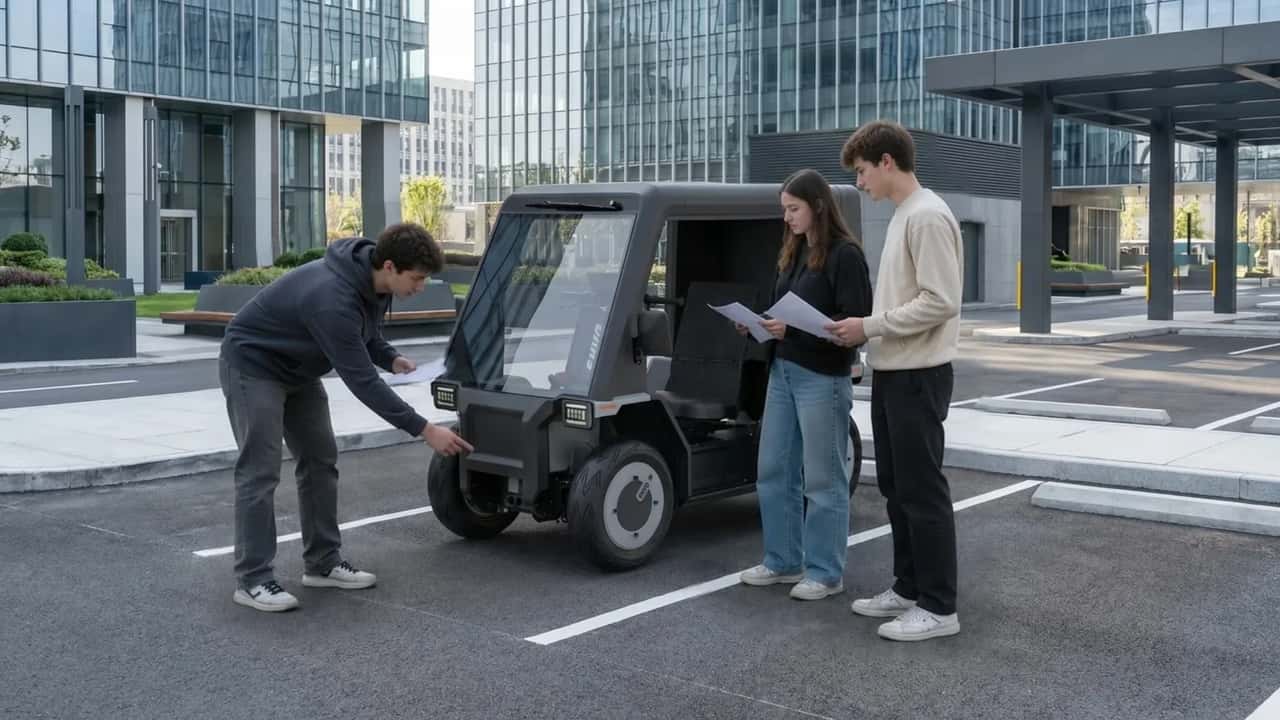

The UTV and side-by-side market has spent the past decade turning utility vehicles into miniature trophy trucks. More horsepower, more suspension travel, bigger tires, taller price tags, and dashboards that look ready to launch a satellite. That’s great if you spend weekends charging through dunes. It’s slightly less necessary if your machine mostly carries mulch, tools, or two employees across a golf course at 12 miles per hour.
That’s what makes the Envo Utility Personal Transporter (UPT) so interesting. It isn’t trying to beat a Polaris RZR through the desert or drag a loaded trailer out of a swamp. It’s asking whether a large chunk of the UTV market needs a conventional side-by-side at all. The answer could make several manufacturers a little uncomfortable.
The UPT is essentially an electric vehicle construction kit. Its aluminum T-slot chassis can be resized, reconfigured, and fitted with different suspension, steering, body, seating, and cargo modules. Envo says the same basic platform can become a golf cart, ATV, side-by-side, mower, snowplow, cargo hauler, go-kart, mobility vehicle, or even a small emergency transporter.

That sounds like marketing department bingo until you consider how utility vehicles are actually used. Farms, resorts, hospitals, factories, film sets, campuses, airports, and large private properties often operate several machines that perform similar low-speed jobs. One carries people. Another hauls tools. Another moves supplies. Another spends winter pushing snow before sitting around for eight months.
The UPT’s pitch is that one chassis could handle several of those roles with a pile of bolt-on parts stored nearby. Instead of buying five complete vehicles, an operator could buy fewer platforms and reconfigure them as needed. It’s less exciting than ripping a 100-horsepower side-by-side through a mud hole, but fleet managers tend to get excited about words like utilization and standardized maintenance.
Power comes from independently controlled hub motors at each wheel, with buyers able to choose two-wheel drive or four-wheel drive. The layout also allows for zero-radius tank turns, which should be useful in tight work areas and extremely useful for impressing whichever coworker made the mistake of handing you the keys.
More Fun Off Road
Battery options reportedly include a 2.83-kWh pack or a dual-battery 5.66-kWh setup. Envo claims up to roughly 62 to 125 miles of range, depending on configuration, payload, and use. That upper figure should probably be approached with the same caution normally reserved for dating profiles and manufacturer fuel-economy claims. A lightly loaded cart on flat pavement is very different from a four-wheel-drive mower climbing wet hills.
The UPT tops out at around 40 miles per hour, so nobody should mistake it for a direct replacement for a serious recreational side-by-side. It also won’t match a full-size UTV’s towing capacity, suspension performance, or ability to absorb years of abuse in rocks, mud, and deep ruts.
But that might be missing the point. Plenty of side-by-sides never experience anything more demanding than gravel paths, trimmed grass, and the occasional curb. Those customers are buying machines engineered to survive conditions they’ll never encounter because the industry has increasingly bundled work capability with recreational performance.
The UPT strips away that excess and focuses on flexibility. Its real competition isn’t the wildest machine in the showroom. It’s the basic utility side-by-side, industrial cart, groundskeeping vehicle, and small fleet hauler doing repetitive jobs at low speeds.
The platform starts at around $9,000, while finished configurations reportedly land closer to $10,000 to $12,000. That isn’t bargain-basement money, especially for something that can’t legally replace a highway vehicle. Still, the price starts making more sense when the product is viewed as an equipment platform rather than a single machine.
Envo hasn’t made the side-by-side obsolete. Instead, it's exposed a gap between what many UTVs are capable of and what their owners actually ask them to do. The future of utility vehicles may not require another horsepower war. It might require fewer complete machines, more interchangeable parts, and one very complicated afternoon with a socket set.

Sources: Modular-EV, CNET
RECOMMENDED FOR YOU
Stark Drops Factory Editions of VARG MX and EX Dirt Bikes. Major Suspension Upgrades
Sena Just Introduced A New Limited Lifetime Warranty. European Riders Get A Bonus
Want A New Beta Dirt Bike? Why Not Go Racing And Save A Bunch Of Money?
Is BMW Working on an M 1300 GS? All Signs Point to Yes
BRP Is Donating $35k To Tread Lightly! To Better Trail Access and Conservation
You Don't Need This Givi Accessory... Until You Actually Use It
This New Acerbis Motorcycle Body Armor Is Perfect For Hot Weather