
This City Just Banned New Combustion Two-Wheeler Registrations by 2028. Not Without Criticism
Delhi's government is trying to reduce air pollution in the city by banning the sale of certain ICE vehicles and hoping its citizens will buy electric instead. But this plan has come under criticism.
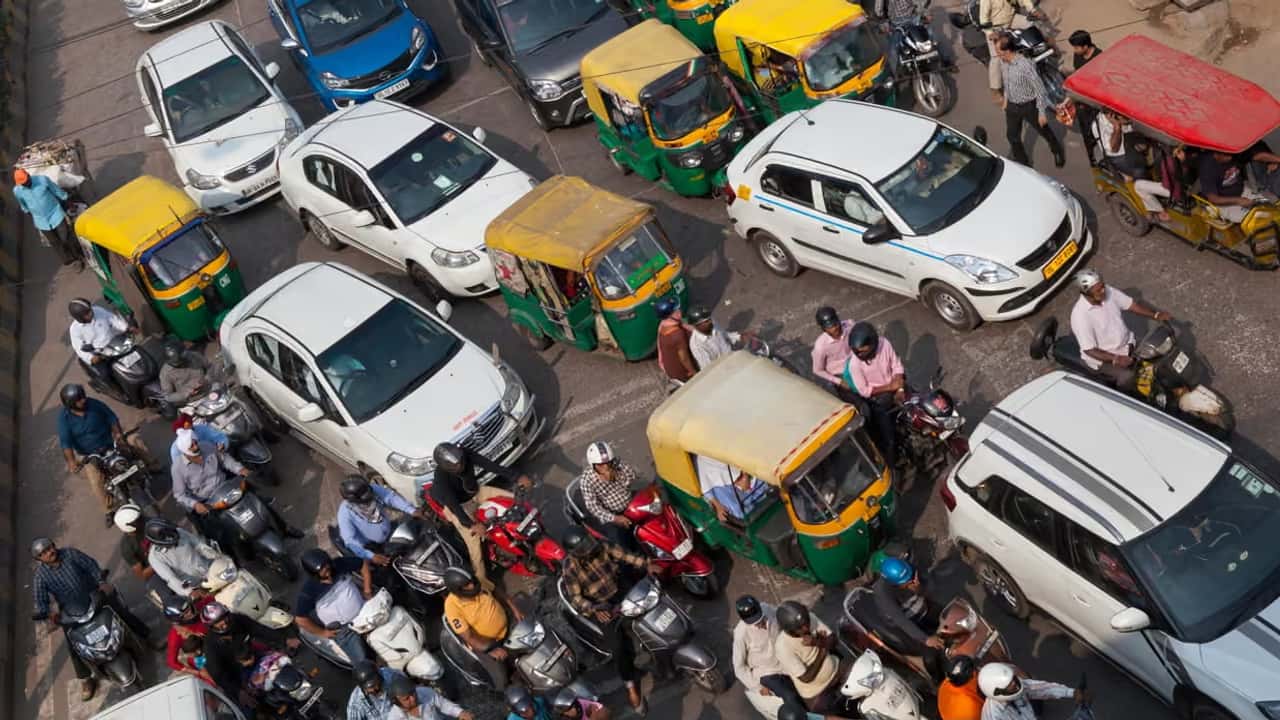

If you live in Delhi, India, and want a motorcycle with an internal combustion engine, you'd better buy one before 2028. Earlier this week, Delhi's government announced plans to ban gasoline-powered scooters and motorcycles, and the first phase of that plan involves banning the purchase of said machines in 2028. The plan is for electric motorcycles and e-scooters to replace ICE two-wheelers, but it has already come under criticism.
It's hard to imagine the streets of Delhi without the noise, energy, and fumes of scooters, motorcycles, and rickshaws. But it's the fumes that the government is trying to cut back on. In fact, the entire plan will phase out new gas scooters, trucks and buses in the capital over the next two years.
Delhi is one of the most polluted cities in the world, by far. The air in Delhi is linked to tens of thousands of deaths each year, and scooters and rickshaws account for more than two-thirds of the tens of millions of vehicles on the city's roads. So, It's hard to fault its government for trying to make the air less toxic, but it's the method and time frame that are making people unsure of its viability.
Going Green
From 2027, India's capital will only issue new license plates to electric small trucks and three-wheelers (e-rickshaws). From 2028, this will also be the case for e-scooters and electric motorcycles. The government hopes this will lead to an electrification of at least 30% of the capital's fleet by 2030, but the question is: is the infrastructure capable of supporting this?
Although the government plans on installing more than 30,000 public charging points across the capital, this might not be enough to facilitate the change it's asking of drivers. Rajesh Gopi, a rickshaw driver, said, “I have heard that the e-rickshaws need charging a lot and can’t travel as far as we can on gas," before adding, “If I have to wait one or two hours every day for charging, that’s lost income for me that I can’t afford. I also don’t know how to maintain an e-rickshaw or stop the batteries getting stolen.”
The goal of improving the air quality in Delhi isn't a problem, as long as workers don't pay the price, and that could potentially be achieved through improving public transport. Bhavreen Kandhari, a prominent environmentalist, said, “More cars on the road is not a solution... To reduce traffic jams and dust in the city, the government should work on improving public transport and last-mile connectivity with green solutions. This EV policy falls short on that aspect.”
Is banning the sale of ICE two- and three-wheelers the way to go, or should Delhi's government focus more on improving green public transport solutions? Let us know in the comments.

RECOMMENDED FOR YOU

Will Superbike Factory Customers Ever Be Made Whole? Here's What The Administrators Say
This Mid-Travel Kit Makes the New Can-Am Defender HD11 the Perfect Backcountry Companion
Norton's Dealership Concept Comes From The Folks Who Designed Apple's HQ
Riding To Mr. Beef, The Real-Life 'The Bear' Location, on a Royal Enfield Guerrilla 450
Italy's Government Just Granted Ducati Millions For R&D And Keeping The Country's Manufacturing Going
Here's Why Polaris Is Working on Autonomous Side-By-Side Systems
Yamaha Is Doing Better Because Of Its Motorcycles