
South Carolina Just Admitted UTVs Aren't Just Toys. State Legalizes Them For Road Use
Once confined to trails and farms, UTVs are getting legal road access in South Carolina. Will other states do the same?
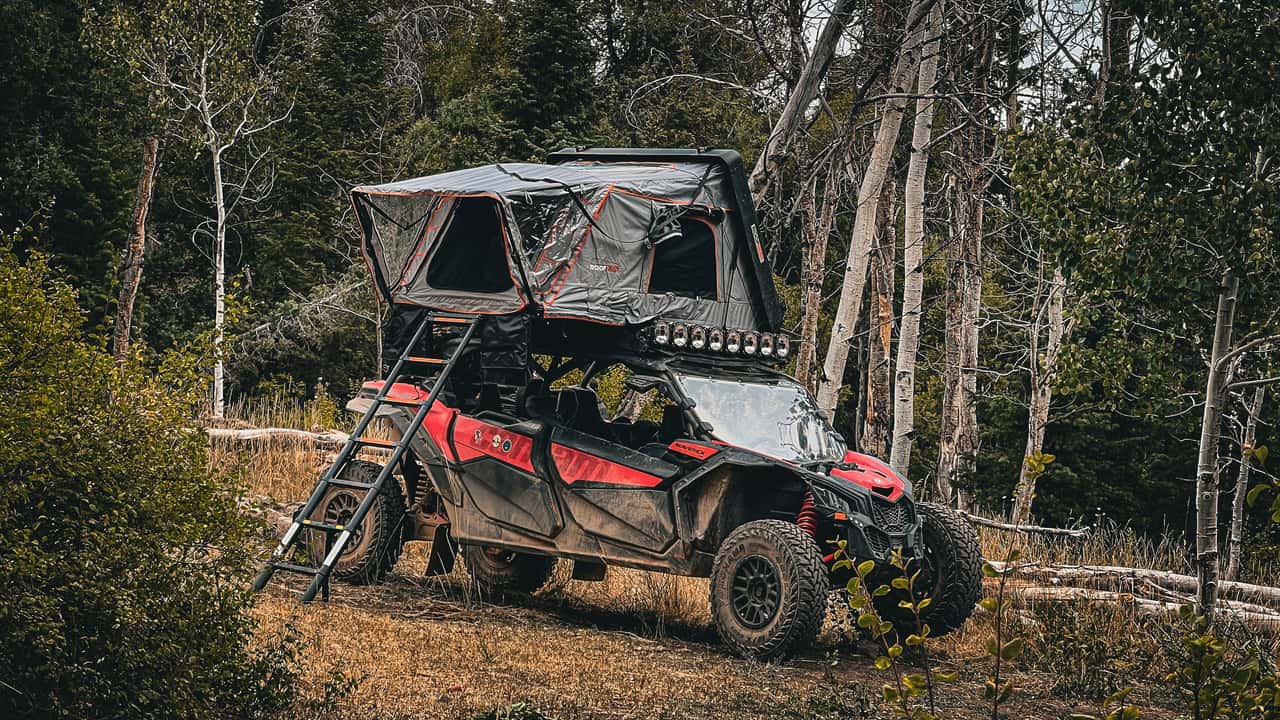

There was a time when UTVs were basically farm equipment with cupholders. You'd use one to haul feed, drag trailers around a property, or blast down a muddy trail with your buddies on a Saturday afternoon. Then something weird happened. Manufacturers kept making them bigger, faster, more comfortable, and significantly more expensive.
Now, South Carolina is doing something that many enthusiasts have been waiting years to see. Starting November 18, qualifying UTVs will be allowed on public roads, provided they meet equipment, insurance, registration, and licensing requirements. On paper, it's a transportation law. In reality, it's an acknowledgment that modern side-by-sides have evolved into something much bigger than off-road toys.
Think about what today's top-tier UTVs offer. Many come with power steering, enclosed cabins, touchscreens, premium audio systems, and suspension travel that would make some pickup trucks jealous. A high-end side-by-side can easily cost north of $30,000. At that point, calling it a recreational vehicle starts to sound a bit outdated.

The new South Carolina law doesn't open every road to UTV traffic. Drivers must be at least 17 years old, carry insurance, hold a valid driver's license, and operate vehicles equipped with headlights, brake lights, turn signals, and seat belts. They'll also be restricted to roads with speed limits of 55 miles per hour or less, and interstates remain off-limits.
What's particularly interesting is that local governments still get a say. Municipalities can establish approved routes, operating hours, and noise restrictions. In other words, South Carolina isn't creating a free-for-all. It's creating a framework that allows communities to decide how these machines fit into daily life.
That's important because many UTV owners aren't looking to replace their cars. They just want to stop dragging a trailer around every time they want to grab lunch, fuel up, or connect a few miles of trail. For riders in rural communities, the ability to legally drive from home to a trailhead could completely change the ownership experience. And for folks toying with the idea of buying a UTV, this could be all it takes to actually get them to pull the trigger. A big win for the powersports industry.
More Fun Off Road
The timing also makes sense. Across the powersports world, UTVs are becoming one of the hottest segments around. They've expanded well beyond ranches and hunting camps. Today, they're showing up in mountain towns, vacation destinations, and suburban garages. Some owners are spending serious money on accessories, roofs, doors, windshields, audio systems, and lighting upgrades. The machines themselves are increasingly capable of serving multiple roles.
Of course, not everyone is thrilled. Critics point out that UTVs don't offer the same crash protection as passenger cars and that mixing them with regular traffic raises legitimate safety questions. That's a debate South Carolina will likely continue having long after the law takes effect.
Still, the bigger takeaway here is that America is slowly redefining what counts as a road vehicle. South Carolina isn't just legalizing UTVs. It's recognizing a reality that powersports enthusiasts figured out years ago. These machines stopped being just off-road toys a long time ago.

Source: WSPA
RECOMMENDED FOR YOU
GM Aims to Sell $1 Billion Worth of Its UTV Pickup to the US Military
Harley-Davidson's Latest Quarterly Financial Report Is Out. It's Not All Doom And Gloom
Polaris Wants To Give Someone $50K. You Just Have To Beat Its Entire Factory Racing Team To Win It
Pirelli Wants to Recycle Your Old Tires And Make New Ones
There's An AI-Powered, Autonomous Polaris Ranger On the Front Lines In Ukraine
This Honda Kei Truck Comes With A Mini Moto Monkey On Its Back. It's Perfect
Honda Just Made An Insanely Great, Everyday Side-By-Side, And We Drove It