
Pirelli Wants to Recycle Your Old Tires And Make New Ones
Reduce, reuse, recycle!
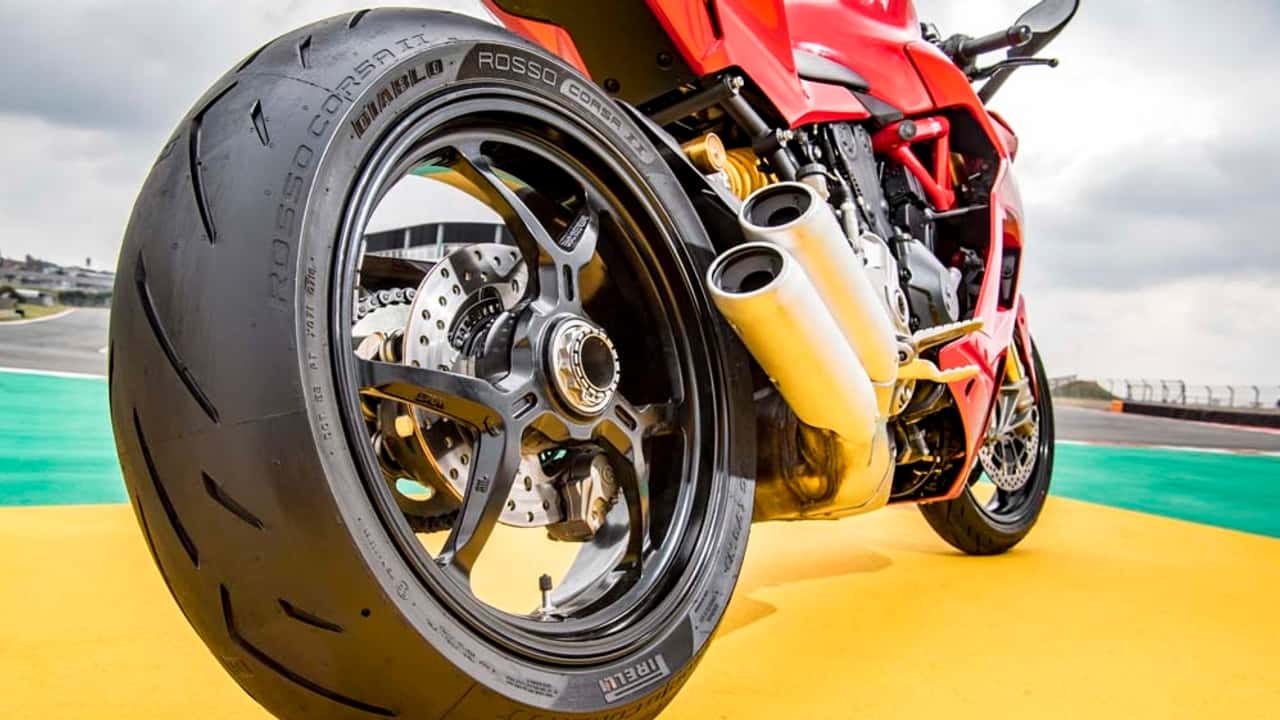

Humans are pretty bad when it comes to single-use items. Nearly everything made in the last few decades has been single-use at its core. Even items that are meant to be recycled tend not to be, as recycling is actually pretty difficult to do unless you invest heavily in it. So you end up with single-use everythings filling up our landfills and more, as trash accumulates further and further with each passing day.
And manufacturers, for their part, have made that reality an almost certainty, as none of them want to actually invest in the infrastructure of recycling, while also introducing ever-worse planned obsolescence designs and engineering into their lineups. Why kill today's cash cow just to save someone else's future? I mean, basic morals and humanity, but those seem few and far between these days.
Enter Pirelli, however, which aims to buck the trend, as the tire conglomerate is implementing a new partnership with a host of companies to not only reduce its own trash footprint, but to recycle as many old and end-of-life tires into brand new ones as it can, thereby reducing waste, reducing a garbage tire's impact on the environment, and conserving resources so we reduce the need to mine for new resources. Pretty slick.
That is, if the company can pull it off.
Tires, Get Your Tires Here!
The project is called "Tyre to Tyre," which is European English for "Tire to Tire," and aims to "transform end-of-life and scrap tires into recycled materials for new products," i.e., new tires. Pirelli is launching the initiative with the help of Pyrum, Synthos, and BASF, which will take old tires, scrap tires, and excess scrap materials from Pirelli's plant in Germany, and then send them off to be converted into "secondary raw materials" with the help of Pyrum.
"Within this process, Pyrum converts end‑of‑life and scrap tyres through a pyrolysis process — a high-temperature thermal decomposition of materials in the absence of oxygen — into two valuable secondary raw materials: recovered carbon black (rCB) and tyre pyrolysis oil (TPO)," says the press released, adding, "The recovered carbon black is upgraded in quality and directly reintroduced into Pirelli’s European production, partially replacing virgin carbon black."
From there, the TPO is sent to BASF, "where it is co-fed with fossil-based feedstock into the production process of chemical products such as butadiene and styrene. A mass balance approach enables attributing the recycled content to the ISCC PLUS-certified Ccycled products." That then goes to Synthos, which produces "ISCC PLUS‑certified synthetic rubber for high-performance tire applications, which Pirelli reintroduces into its production processes, closing the loop."
Right now, it's a smaller operation, only taking in tires from across Germany. To really affect change, both in terms of reducing the brand's environmental impact and emissions, it would have to widen the scale worldwide. But if the program proves the concept, it likely could lead others, including Pirelli, to widen the scope and recycling program.
"The European tyre‑to‑tyre project represents the most comprehensive application of this approach to date," states the release, adding, "demonstrating how end‑of‑life tyres can become a valuable resource within a structured and traceable industrial loop." Here's hoping it works.

RECOMMENDED FOR YOU

The Motorcycle CEO Everyone's Talking About Just Did Something Bigger Than Racing
This Honda Kei Truck Comes With A Mini Moto Monkey On Its Back. It's Perfect
This Motorcycle Company Just Sold More Bikes Than Harley And Indian Combined. In Just Three Months
Want A New Beta Dirt Bike? Why Not Go Racing And Save A Bunch Of Money?
Superbike Factory Employees Report Seeing Warning Signs But Not Realizing How Bad Things Were
Yamaha Aims to Build a Hydrogen-Powered Sauna Boat. Yes, You Read That Right
EV Road Trips Are Finally About To Get The Gas Station Experience