
Fossil-Fuel Ban On Motorcycles Won't Go Into Effect As Planned In Vietnam, And Honda May Have Played a Role
Opposition from major stakeholders including Honda, which is the biggest seller of motorbikes in Vietnam, may have played a role.
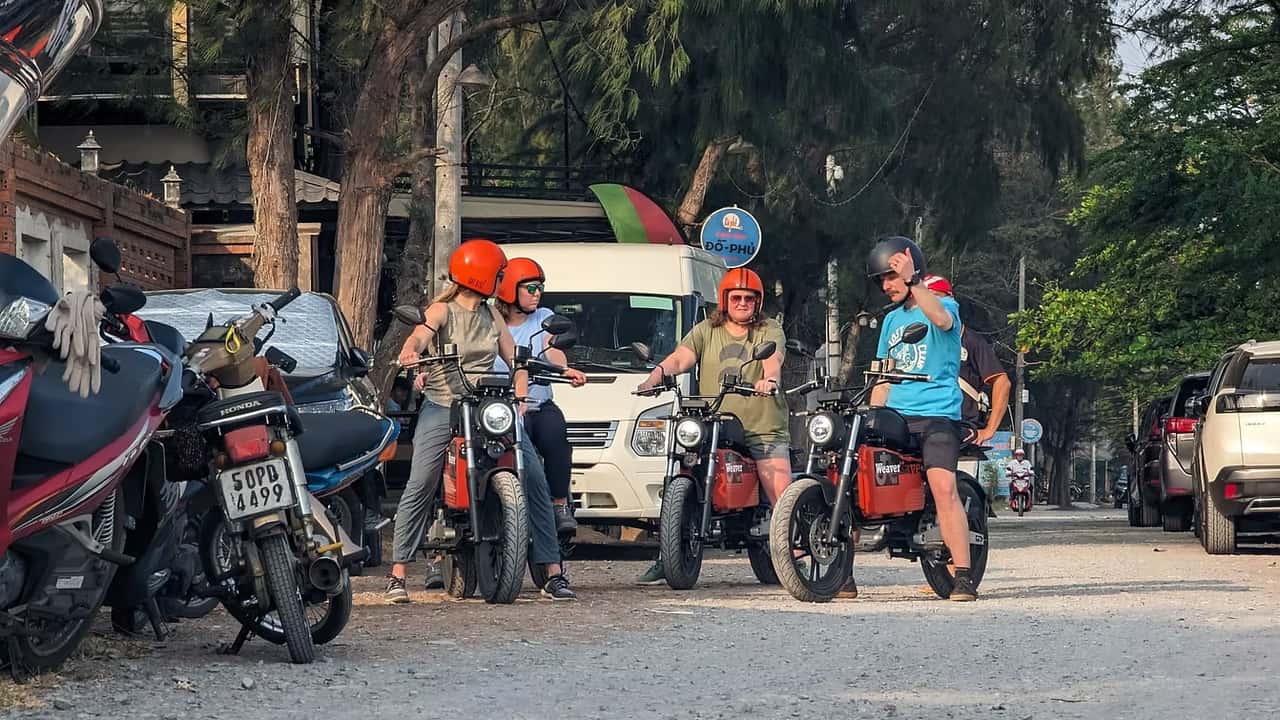

It was nearly a year ago that Vietnam's capital city, Hanoi, announced an ambitious plan. Air quality is notoriously bad, posing difficulties for anyone who has health issues that affect their breathing. Unfortunately, the city's millions of combustion motorcycles aren't helping the matter, so the city government of Hanoi said it would ban fossil-fuel bikes from July of 2026.
Outcry against this plan was almost immediate, and it's not difficult to understand why. Motorcycles are far and away the most popular form of transportation in Vietnam, and Reuters even estimates that around 80% of the population rides. Even if you agree that something needs to be done to improve air quality, asking everyone to make a change like that in such a short period of time seems unrealistic, to put it in charitable terms.
Still, public outcry is one thing, and stronger sentiments from stakeholders are another. As recently as April, ahead of Japanese Prime Minister Sanae Takaichi's planned visit to the city, Reuters noted that Honda in particular had publicly spoken out against this plan moving so quickly. By April, the coming ban was said to have been scaled back to a very small section of the city of Hanoi, beginning in July.
Also, it would only be in place on weekends, and not during the workweek.
Get On
Fast-forward to today, May 19, 2026, and the petrol ban seems to be on shakier footing than ever.
A new report from AFP notes that the new proposed petrol motorbike ban would "cover just 11 streets spread over 0.5 square kilometers," effectively implementing it as a low-emissions zone rather than a citywide ban. As with the earlier proposal floated in April, the currently-proposed version would see the ban in place on Friday nights and during part of the weekend only.
Even that scaled-back ban may now be in doubt, however, as it's now the end of May and no detailed plans have officially been signed off on as yet. The decision has apparently now been delayed until June, which makes expectations of a July 1, 2026, implementation seem far-fetched at best.
It's unclear what the future holds, but implementing an all-out ban with an unrealistic timeframe seems like an idea that was doomed from the start.

RECOMMENDED FOR YOU

Honda’s 2027 Pioneer UTVs Are Back To Get Some Actual Work Done
BMW Spied Testing An All-New Middleweight Adventure Motorcycle
Honda’s Desert-Racing Dirtbike Is Actually A Bargain. You Can’t Have It
Royal Enfield Already Has A Himalayan 450, So Why Is It Making A 440?
Here's Your Chance To Own A Honda Motocompo For A Bargain. You Can Wear This One, Too
Sena Revives Prism Action Camera, But It Just Looks Like Everything Else
Honda Just Recalled 44k Motorcycles. Could Cause a Crash