
Yes, This MTB Helmet Passed A Motorcycle Safety Test. Don't Wear It Riding
POC borrowed testing from the motorcycle world without forgetting this is still a downhill mountain bike helmet.
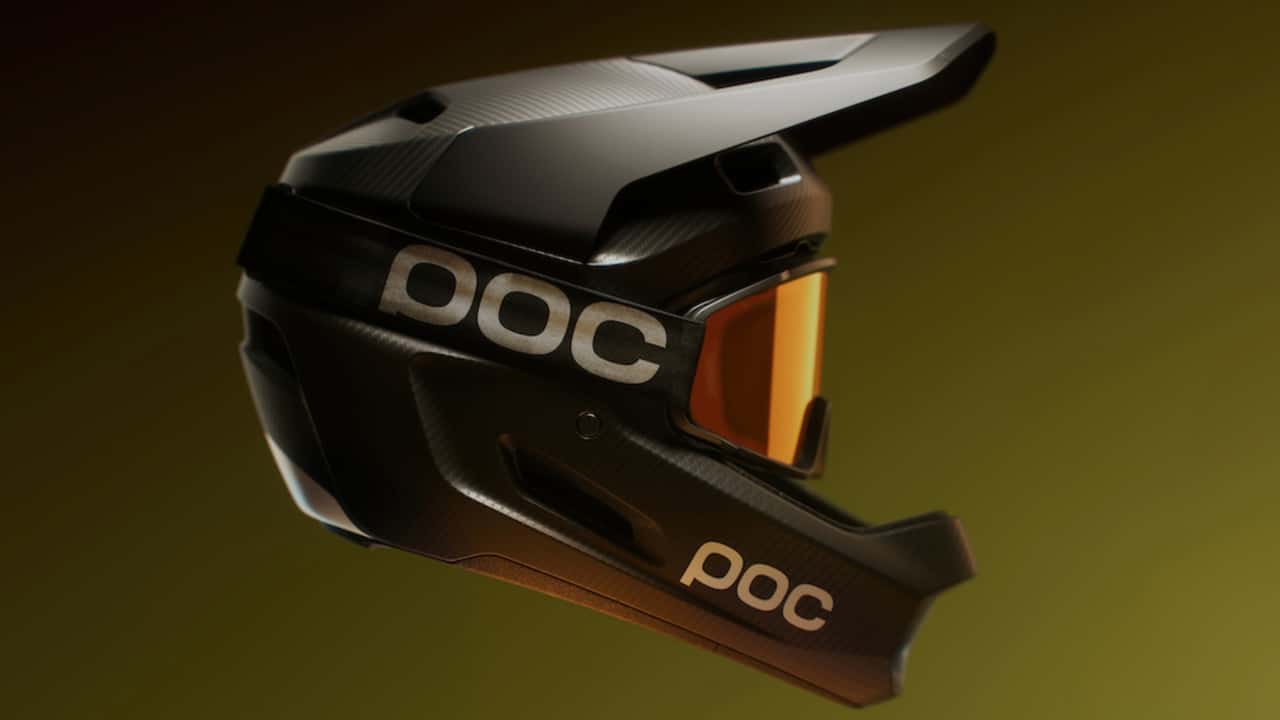

I've spent most of my life bouncing between two wheels with pedals and two wheels with engines, so products that blur the line always grab my attention. My garage has room for mountain bikes and motorcycles, and my closet has just as much cycling gear as moto gear. So when a downhill mountain bike helmet shows up carrying a motorcycle safety certification, you've got my attention before I've even looked at the price tag.
That's exactly what Swedish brand POC has done with the new Barocon Carbon. At first glance, it looks like a premium downhill race helmet. Underneath, though, it's been engineered to meet not only ASTM standards for downhill mountain biking and BMX, but also the US DOT FMVSS 218 motorcycle helmet standard. As far as anyone can tell, it's the first downhill-specific bicycle helmet to do it.
Before anyone gets any bright ideas, POC is very clear about one thing. This is not a motorcycle helmet, and it shouldn't be used as one. Passing DOT doesn't suddenly transform it into something you'd want to wear blasting down the interstate at 80 miles per hour. Motorcycle helmets are generally designed with much larger safety margins and are built for impacts at substantially higher speeds.

Keep Your Head In The Right Place
Instead, POC's goal was to build a downhill helmet with significantly more protection than today's minimum bicycle requirements demand. The company says it voluntarily subjected the Barocon Carbon to motorcycle testing because the DOT procedure includes more demanding penetration tests, giving its engineers a higher benchmark while developing the helmet. It also says it referenced ECE R22.06 motorcycle testing values during development to better understand how much safety margin the design offered beyond the downhill standard.
That doesn't mean it's an ECE-certified motorcycle helmet, because bicycle helmets can't officially earn that certification. It's simply a case of borrowing lessons from the motorcycle world to make a better mountain bike helmet.
Construction also plays a big role here. The carbon shell is fused directly with a multi-density EPS liner instead of simply being bonded together as separate pieces. POC says the process improves structural integrity while keeping weight in check. The helmet also gets MIPS Evolve Core, generous ventilation channels, a magnetic breakaway visor, adjustable padding, ear chambers to improve comfort, and a proper D-ring buckle instead of the more common cycling retention systems.
Even with all that extra engineering, the Barocon Carbon tips the scales at a claimed 2.3 pounds for a medium. That's impressive, though not class leading. The Fox Rampage RS still comes in lighter at about 2.2 pounds while costing roughly $180 less. Meanwhile, Bell's Full-10 Spherical weighs about 2.4 pounds, and Leatt's Gravity 8.0 undercuts nearly everyone on price while offering an impressive safety package of its own.
Then there's the elephant in the room. The Barocon Carbon costs $880. That's premium motorcycle helmet money, and POC is going to have to convince riders that the extra testing and engineering justify spending hundreds more than several excellent downhill helmets already on the market.
Still, I can't help but find this helmet fascinating. The line between bicycles and motorcycles gets blurrier every year. Fast electric mountain bikes, electric mopeds, and lightweight urban commuters now occupy spaces that barely existed a decade ago. Plenty of people also ride scooters around town at relatively modest speeds or spend weekends exploring trails on small dual sports where ventilation and low weight matter almost as much as outright protection.
To be crystal clear, I'm not saying anyone should substitute this for a proper motorcycle helmet. You absolutely shouldn't. But seeing bicycle manufacturers borrow engineering targets from the motorcycle world is an interesting direction, especially as electric two-wheelers continue to muddy the waters between bicycles and motorcycles. Whether that makes the Barocon Carbon worth $880 is another debate entirely, but it certainly makes it one of the most interesting helmets to hit the mountain bike world this year.

RECOMMENDED FOR YOU
Actor Norman Reedus Just Took Quasi-Hipster ADV Gear To Mongolia
Kawasaki's Supercharged H2 Superbike Is Returning. But The EPA Made It Less Powerful
GoPro Has a New Camera Amid Possibly Going Out of Business Rumors. Could It Save It?
Gang Who Stole $1.3 Million Worth of Motorcycles Caught. Maybe Don't Post On Social Media
This Gold Chrome Motorcycle Helmet May Be The Boldest Of Statements. The Glare Has To Be Wild
Red Bull Doesn't Leave KTM Hanging. Sticks With It For MotoGP
Airoh Has A Handful Of New Off-Road Motorcycle Helmets. And There Are A Lot Of Colors