
TVS Isn’t Just Winning India, It’s Building A Global Motorcycle Empire
Turns out collecting every motorcycle segment like Pokémon was the right strategy.
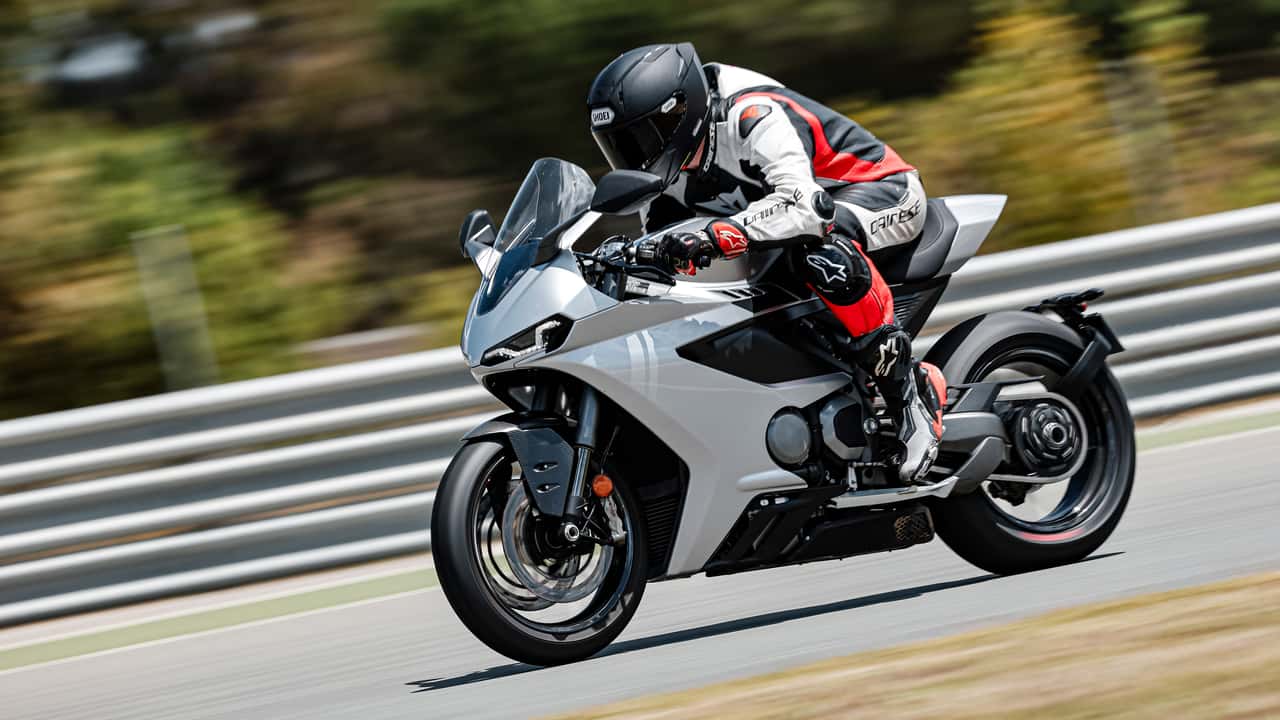

Winning a sales race for a single month is easy enough to explain away. Maybe a new model landed at the perfect time. Maybe dealers stocked up before a holiday season. Maybe exports had an unusually strong month. Winning twice in a row is where things start getting interesting. That’s exactly what TVS Motor has done after once again topping India’s two-wheeler wholesale charts in July, crossing the 600,000-unit mark for the first time while staying ahead of industry giants like Hero MotoCorp and Honda Motorcycle & Scooter India.
On paper, it’s another impressive sales report. Underneath the numbers, though, there’s a much bigger story unfolding. TVS isn’t simply selling more motorcycles and scooters than expected. It’s becoming one of the most strategically complete motorcycle companies anywhere in the industry, and that’s a position very few manufacturers have managed to build.
For years, TVS occupied a familiar spot in the Indian market. It built dependable commuters, offered a handful of sporty motorcycles, and largely stayed in the shadow of giants like Hero and Honda. That version of the company doesn’t really exist anymore. Today’s TVS has spread itself across nearly every meaningful segment of the two-wheeler business, giving it something most competitors would love to have: Options.

It's Time To Take TVS Seriously, You Guys
That’s the biggest takeaway from July’s numbers. TVS isn’t relying on one superstar product to carry the entire company. The Raider continues attracting commuter buyers who want something with a little personality. The Apache lineup has become a legitimate performance brand instead of simply an affordable alternative. Jupiter remains one of India’s strongest scooter nameplates, while the Ntorq still appeals to younger riders looking for something more playful than basic transportation.
Then there’s the electric side of the business. While several legacy manufacturers are still trying to figure out how aggressively they should pursue EVs, TVS already has one of India’s strongest electric scooter lineups with the iQube. Instead of treating electrification as a side project, the company has turned it into another pillar of its business. That means it’s growing in both traditional internal combustion and electric segments at the same time, giving it flexibility regardless of where the market heads next.
The diversification doesn’t stop at home, either. TVS has steadily expanded its export business, giving it another source of growth beyond India’s borders. It also continues building motorcycles for BMW Motorrad through its long-running partnership, proving that one of Europe’s most respected manufacturers trusts TVS to produce premium products that wear a blue-and-white roundel. That’s a level of manufacturing confidence that doesn’t happen by accident.
Then there’s the brand sitting all the way at the top of the ladder. Norton.
If you only look at sales charts, Norton’s contribution is basically invisible. But obviously, that’s also missing the point. TVS didn’t acquire the legendary British marque because it expected to sell hundreds of thousands of V4 superbikes. It bought Norton because premium brands bring something volume products never can. Things like engineering expertise, global recognition, and credibility in markets where the TVS badge still has work to do.
The company has spent the past several years rebuilding Norton instead of rushing motorcycles out the door. It invested in new facilities, strengthened engineering resources, and focused on restoring confidence after years of turmoil under previous ownership. None of that generates flashy monthly sales headlines, but a healthy TVS makes those long-term investments much easier to sustain.
That’s why July’s record matters beyond India. Every strong sales month gives TVS more resources to pour into future products across its entire portfolio. That could mean faster development for Apache, more ambitious electric motorcycles and scooters, stronger export programs, and eventually an even healthier Norton lineup aimed at riders far outside the Indian market.
It’s also worth mentioning Royal Enfield, although not because it’s chasing the same goal. Royal Enfield has carved out a completely different niche by focusing almost entirely on enthusiast motorcycles with heritage appeal. It isn’t trying to become India’s biggest manufacturer. It’s trying to become one of the world’s most desirable accessible premium motorcycle brands. Judging TVS and Royal Enfield by the same yardstick misses the point because they’re playing different games entirely.
TVS, meanwhile, is assembling something much broader. It has commuters generating volume, scooters serving urban buyers, performance motorcycles building enthusiast credibility, electric vehicles preparing for the next chapter, international partnerships expanding technical expertise, exports opening new markets, and Norton giving it a genuine premium halo. Few motorcycle companies can claim that kind of balance.
The media echo chamber might say TVS beat Hero and Honda again. But the more interesting story really is that TVS has evolved into one of the motorcycle industry’s most diversified players, and it’s doing so while still growing at an eye-catching pace. If that trajectory continues, July’s record won’t be remembered as the destination. It’ll look more like another milestone on the road to something much bigger.

Sources: Money Control, TVS Motor
RECOMMENDED FOR YOU
KTM's On The Road To Recovery, Just Ask Its Q1 2026 Financial Report
Yamaha Will Finally Bring Its Coolest Motorcycle Stateside
Europe's Motorcycle Industry Went Into Overdrive This Year. Or Did It?
Take A Look At This Incredibly Rare Japanese Single-Cylinder Race Motorcycle And Tell Me You Don't Want One
This EV Dirt Bike Startup Just Tripled Revenue, And Went Profitable
Amazon Wants to Connect Your Phone Everywhere, Whether You Want Them To Or Not
Honda’s Biggest Flex Isn’t Its Superbikes, It’s Selling 500K Bikes In One Month