
This Is What Happens When Indonesia Gets Serious About Electric Motorcycles
It’s no MT-07, but it’s also not here to carry your groceries.
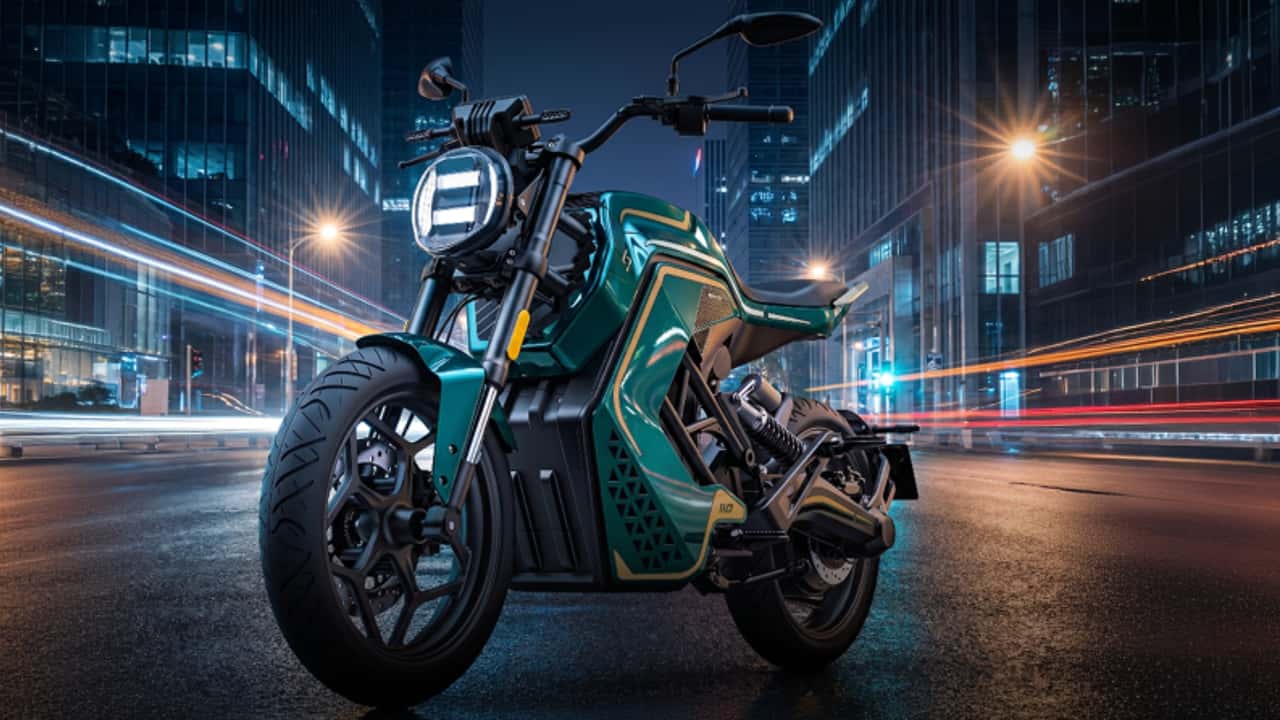

Indonesia just gave Southeast Asia’s electric motorcycle scene something a bit more interesting than another polite little scooter with a basket, a phone app, and the general energy of a toaster with mirrors. Charged Indonesia has launched the Ndara (pronounced n-DAH-rah), and while the name comes from the Javanese word for horse, the bigger point is less about branding and more about where this thing comes from.
Indonesia isn’t just a massive two-wheeler market. It’s also one of Asia’s most important automotive manufacturing bases, and now it wants a proper seat at the electric motorcycle table.
That’s what makes the Ndara worth paying attention to. On paper, it isn’t trying to murder superbikes or rewrite physics. It makes 14.8 horsepower at peak from an 11-kilowatt electric motor and tops out at 78 miles per hour. Those numbers put it in the premium urban and light sport category rather than full-send performance territory, but that’s probably the smarter play. Southeast Asia doesn’t need another spec-sheet fantasy bike that works great on a launch stage and becomes a headache the second traffic, heat, rain, and charging logistics show up.

Charged seems aware of that, because it ran the Ndara through something far more useful than a clean test track session. Before the public launch, the company sent the bike on its Touring Nusantara run, covering roughly 746 miles from Cilegon to Bali in five days. That route matters because Indonesia is by no means a gentle laboratory for EVs. It’s hot, crowded, wet, hilly, and full of the kind of real-world riding conditions that make marketing claims sweat through their shirts.
The hardware is also more grown-up than the usual “good enough for errands” electric runabout. The Ndara uses a Type 2 charging connector, the same general standard found on many electric cars, so riders aren’t stuck praying to a proprietary charging plug. Each lithium-ion battery pack weighs 26.5 pounds and stores 4kWh, with charging from five to 80 percent taking a claimed 40 minutes. With two batteries fitted, Charged claims a range of 62 miles, which isn’t huge, but it’s enough to make the bike useful in dense cities and short regional hops.


Charging To The Future
Then there’s the equipment list, which is where the Ndara starts acting less like a developing-market experiment and more like a real product. It gets ABS, traction control, hill hold, hill descent assist, an Overtaking Boost function, and a SmartSync instrument panel tied into Charged’s digital ecosystem. No, that doesn’t magically turn it into an electric MT-07. But it does show that Indonesia’s domestic EV players aren’t content to live forever in the cheap commuter lane.
Pricing in Indonesia starts at IDR 69,000,000 for the single-battery model, or about $4,250, while the dual-battery version costs IDR 79,000,000, or roughly $4,860. That’s not throwaway scooter money, especially in Southeast Asia, and that’s exactly the point. Charged is positioning the Ndara as something more premium, more exportable, and more ambitious than the basic electric city bikes many people still associate with the region.
The company's Singapore-focused initiative makes that even clearer. The same bike will be sold there as the Charged Arena H2, which tells us this isn’t just an Indonesia-only flex. It’s a regional play. Indonesia already has the population, the riding culture, the manufacturing depth, and a growing EV supply chain. If brands like Charged can turn that into electric motorcycles people actually want to buy outside their home market, Southeast Asia’s EV story gets a lot more interesting.
The Ndara probably won’t scare gas bikes out of showrooms tomorrow. A 62-mile range still requires planning, and 78 miles per hour is useful rather than outrageous. But this bike isn’t important because it’s the fastest or the flashiest thing around. It’s important because it shows where the region could be headed: locally developed electric motorcycles with real equipment, real validation, and export ambitions that don’t sound completely delusional.

RECOMMENDED FOR YOU
LiveWire $17,000 Price Cut Might Be The Deal of The Century. Or a Portent of Doom
KTM Says Don't Ride These Husqvarna And GasGas Off-Road Bikes Because Of A Risk Of Death
Kawasaki Changed Almost Nothing On Its Electric Ninja This Year
Sturgis Saw A 25% Decrease In Crashes This Year, While Drug Arrests Rose
India’s EV Motorcycle Startup Is Already Selling More Bikes Than Harley-Davidson's LiveWire
This Is the Most Chaotic Motorcycle Police Chase We've Ever Seen
This Small EV Motorcycle Company Wants to Convert Your Classic Bikes, Too