
Harley-Davidson Tried to Cheat Europe's Tariffs, It Didn't Work Out For the Company
Nice try, but fast-ones aren't allowed in the EU.
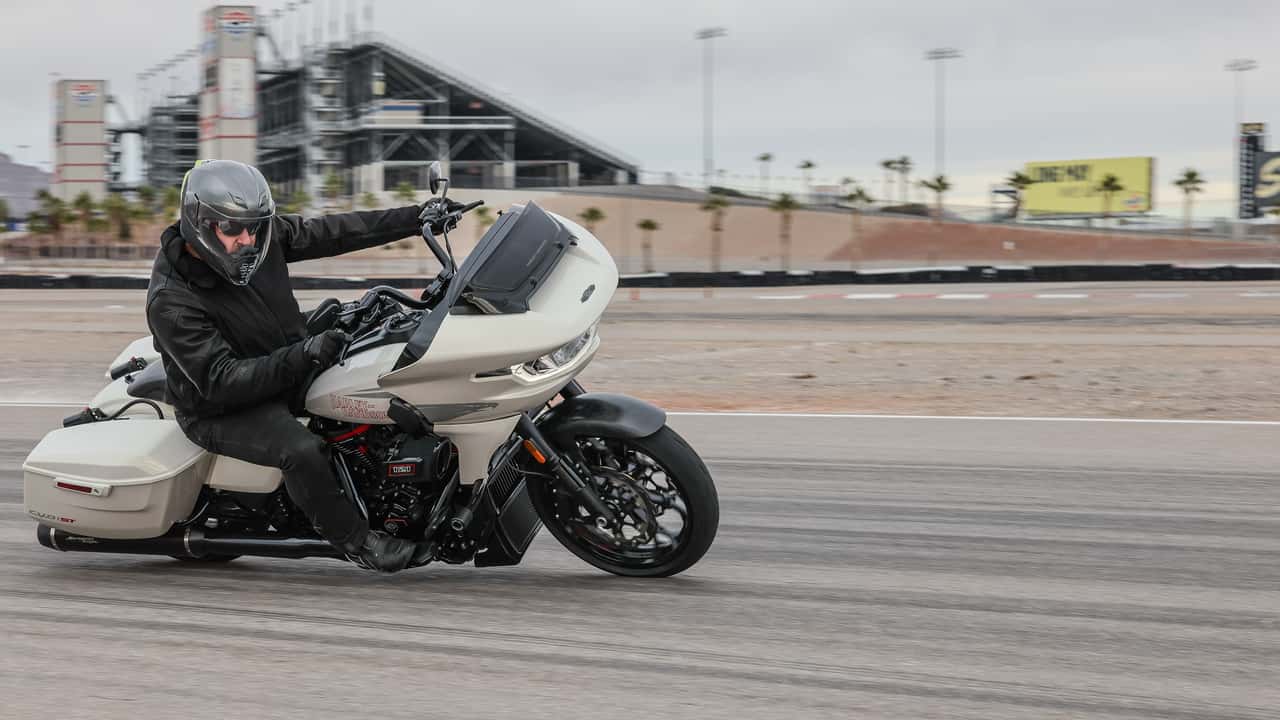

Harley-Davidson just absolutely can't catch a break.
Sales are plummeting, owners are aging out, internet weirdos are calling them woke, dealerships are pissed with executive mandates and increasing inventories, and their bikes just aren't as good as they once were. And don't even get me started on LiveWire, the brand's electric motorcycle offshoot that it doesn't want associated with Harley, and yet still continues to make its lineup look pretty Harley-esque.
Adding insult to injury, the looming trade tariffs are likely to sink the company's fortunes even lower, just as similar tariffs did the last time President-elect Trump was in office. Only at that time, Harley's executives believed they had a way around the proposed counter-tariffs the European Union imposed on American goods, as well as reducing production costs. What did it do? It started building bikes in Thailand.
There was just one problem with that plan. The EU knew the game Harley was playing, and it subsequently sued the company for essentially trying to pull a fast one. Well, that case has finally been resolved and, wouldn't you know it, Harley lost. Chock up another L for the Motor Company.

According to the EU's Court of Justice, "The case arose after Harley-Davidson moved part of its motorcycle production from the US to Thailand following the EU's imposition of additional customs duties of 25% on U.S.-origin motorcycles." This, however, was deemed as "aimed primarily to avoid these duties and deemed it economically unjustified under Article 33 of Delegated Regulation 2015/2446."
Basically, when Trump was last in office, he imposed a set of tariffs on European goods. The EU responded with its own counter-tariffs, which imposed a 25 percent duty on American goods, including Harley-Davidson.
A country where no tariffs were to be imposed, however, was Thailand. So, Harley moved part of its production to Thailand, specifically the portion of its motorcycles that get sent to the EU. This way, it could hopefully avoid those tariffs by claiming they're Thai in origin, not American.
The EU then called Harley out on this attempt in its lawsuit. Harley appealed, stating that the move was purely to drive more efficiency within its business. However, the EU wasn't having it, stating, "The court held that Harley-Davidson failed to provide sufficient evidence showing that its move was driven primarily by economic efficiency rather than regulatory avoidance. While businesses are free to make decisions optimizing their operations, relocations timed to align with EU measures face additional scrutiny."
As such, even though the Harleys imported from Thailand are built in Thailand, which doesn't have the same trade duties as US goods, they're still considered US goods since Harley-Davidson is an American company. Again, as mentioned in prior articles on the proposed new tariffs, they don't work. As illustrated here.
But oof, I feel bad for Harley, as the company just has made bad decision after bad decision. There's still time for it to turn itself around, but how much time is left has to be waning.
Harley Can't Catch a Break
RECOMMENDED FOR YOU

Harley-Davidson Is Probably Going to Build That Awesome Cafe Racer Concept
Polaris' New UTV Has More Horsepower Than Subaru's WRX. Rally Nerds, Rejoice
Harley-Davidson's Latest Quarterly Financial Report Is Out. It's Not All Doom And Gloom
Sidecar Racing May Return To The Isle Of Man TT Next Year After Two Horrific Accidents
RMEF Is Auctioning Off A Harley-Davidson And An Old Harley Ford F-150 to Benefit Wildlife
Kawasaki Unveils 2-Seater Teryx H2 UTV. It's Still Supercharged Insanity
Here's What It Takes to Fix a Bricked Original Harley-Davidson LiveWire