
Sightseeing On A Sea-Doo is a Glorious Way to See Nature
All this time, I'd thought PWCs were like sea scooters, but I was wrong. What are they? A prime way to take in sights you might not see otherwise, and this Sea-Doo is one of the best.
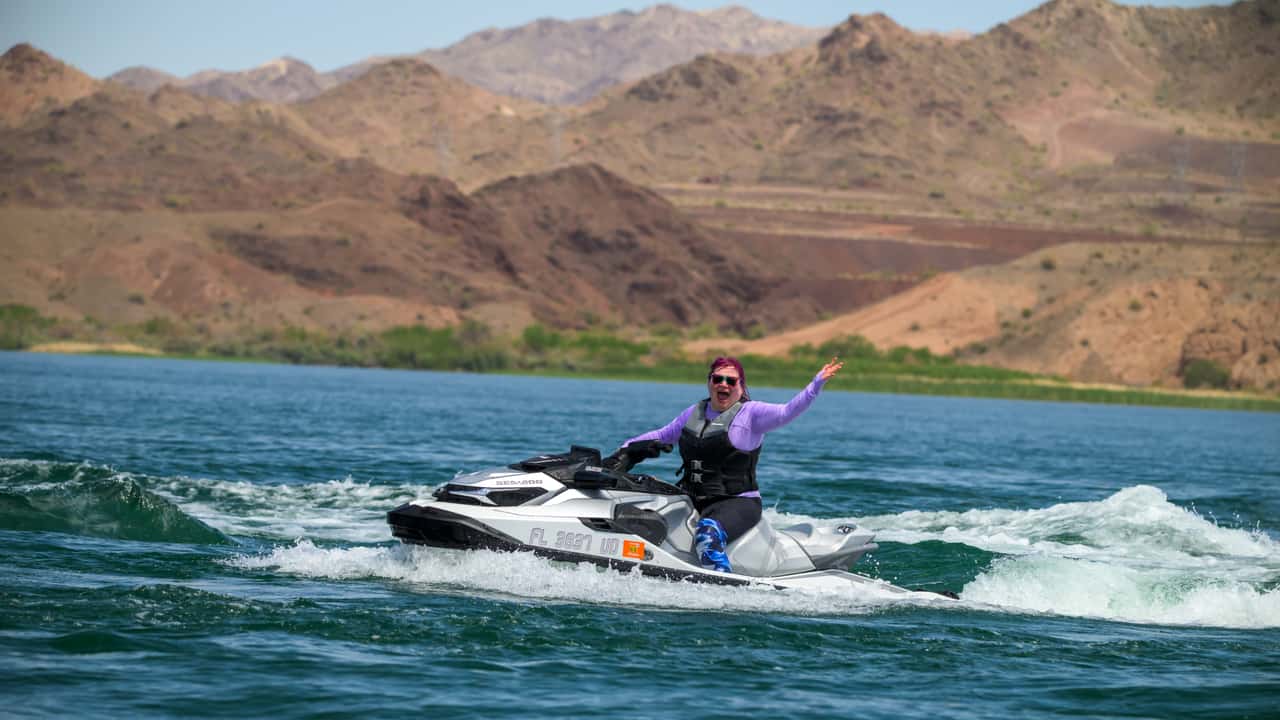

If you’ve never ridden a Sea-Doo or other PWC before, don’t worry, I was right there with you until a couple of weeks ago. While I’ve met folks who grew up riding them, it’s a pretty safe bet that not everyone you’ll ever meet grew up under the same circumstances you did. And just like I didn’t grow up riding motorcycles (yes, even dirt bikes), I similarly also didn’t grow up around watercraft.
Back then, I borrowed a friend’s bicycle, and I learned how to roller skate (not with my own skates, and you may notice a pattern here), as well as swim. But doing any recreational activities involving powered vehicles? Not so much.
Not long after I got my first-ever powered two-wheeled vehicle (a Suzuki Burgman), I distinctly remember a friend telling me it reminded her of a PWC she rode once. When I asked what she meant, she gestured toward the big, cushy seat on the Burgie, as well as the floorboards and general ergonomics. Even the handlebars, she said, were reminiscent.
So, although I hadn’t really thought about that observation in years, I still couldn’t help but reflect on it as I planned to go to Lake Havasu to check out Sea-Doo’s current lineup. More specifically, we were going to see how the BRP Go! Connectivity and navigation app, and the accompanying new 10.25-inch TFT displays, could benefit group rides. But, thanks to the combination of my lack of childhood PWC experience and my friend’s scooter observation, I was left with one single phrase circling my mind, seemingly incessantly: Sea Scooter! (I love scooters, by the way, so please take that in the joyful, easy-to-ride way in which it is intended.)
But I was wrong, and it didn’t take very much time in the saddle of the Sea-Doo GTX that I rode first that day to learn my very first thing.
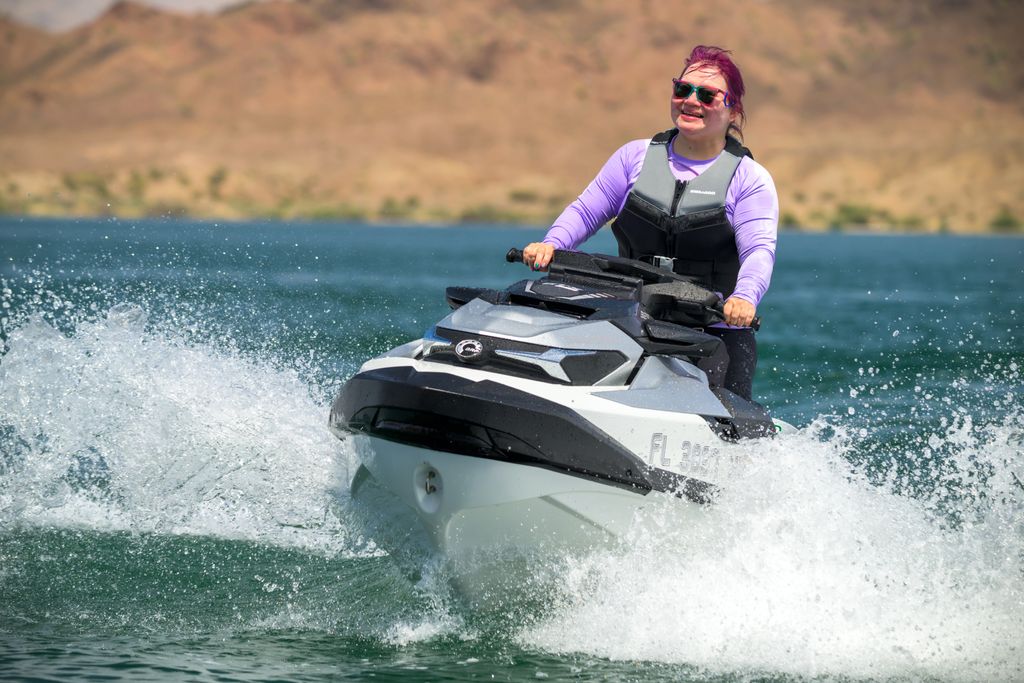
Riding A PWC If You've Only Ridden Motorcycles Before Is Super Easy
Two different folks from Sea-Doo explained the controls to me as I prepared to mount up first thing in the morning; one from a general controls perspective, and one from a motorcycling perspective.
Both had valuable information to teach, though I will also add that since I’ve ridden other BRP products in the past, the controls/layout were pretty similar to my past Can-Am and Ski-Doo experiences. And if you’ve ridden either of those two things in the recent past (I can’t speak to how controls on older models compare to those of today from personal experience), you will also undoubtedly notice similarities as well.
Probably the most vital piece of information to give a motorcyclist who’s never ridden a PWC before is this: On a motorcycle, when you back up, you turn the handlebars away from where you’re trying to send the back wheel, so you can steer the bike backward as you walk. On a PWC, the handlebars are right in line with the internal impeller and water nozzle unit, and turning the bars also changes the directionality of that unit. So whether you’re moving forward or putting the PWC into reverse, you need to point the handlebars in the direction you want to go.
It’s a lot simpler to do than to tell you about, quite honestly; it’s very easy to overthink it if you’re just reading about it, instead of trying it in a nice, safe, open bit of water where you aren’t at any risk of crashing into anything (or anyone) nearby. And on the current crop of Sea-Doos, there’s an easy-to-attenuate throttle switch on the right grip, and a Neutral/Reverse switch on the left grip.
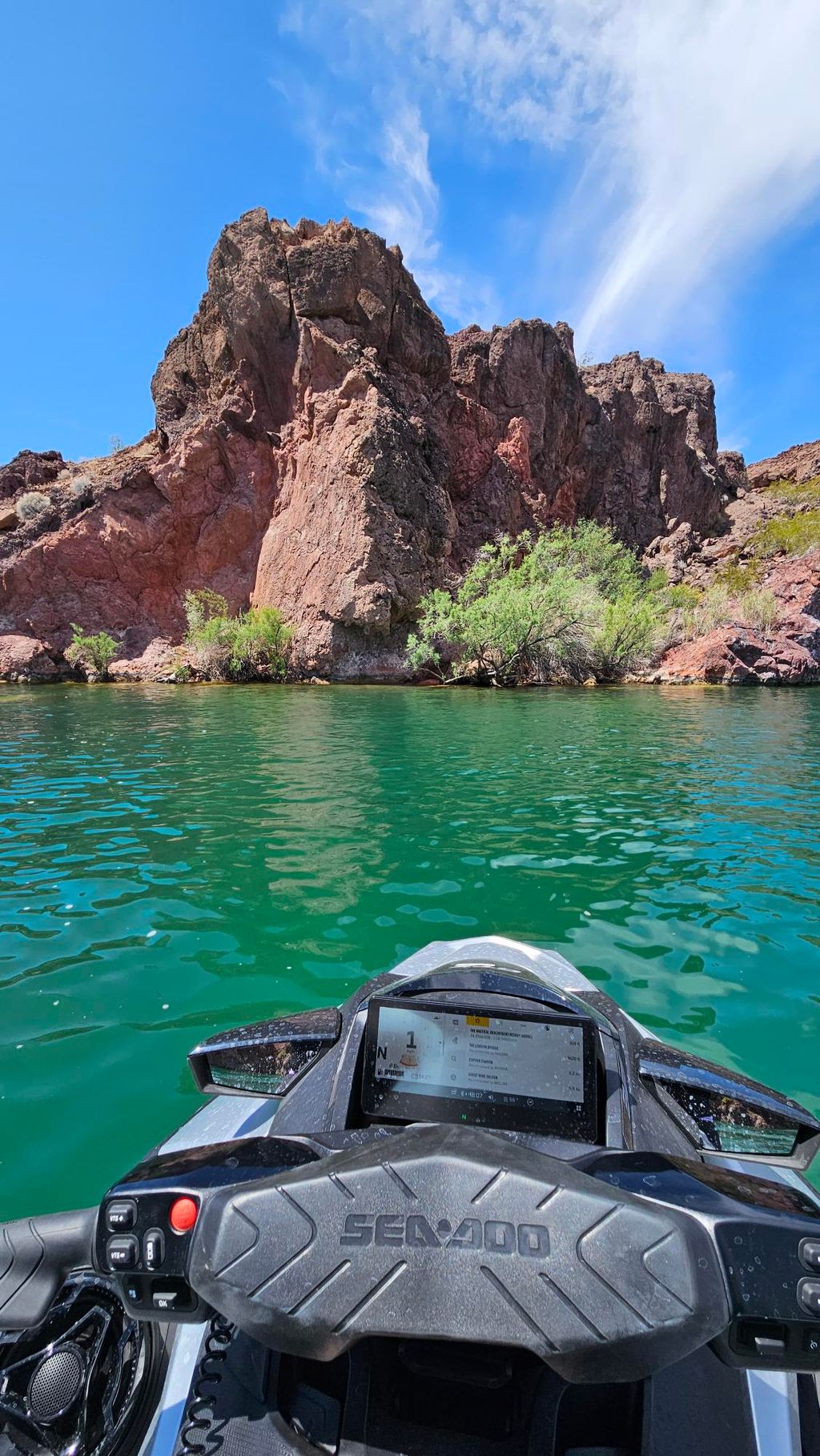
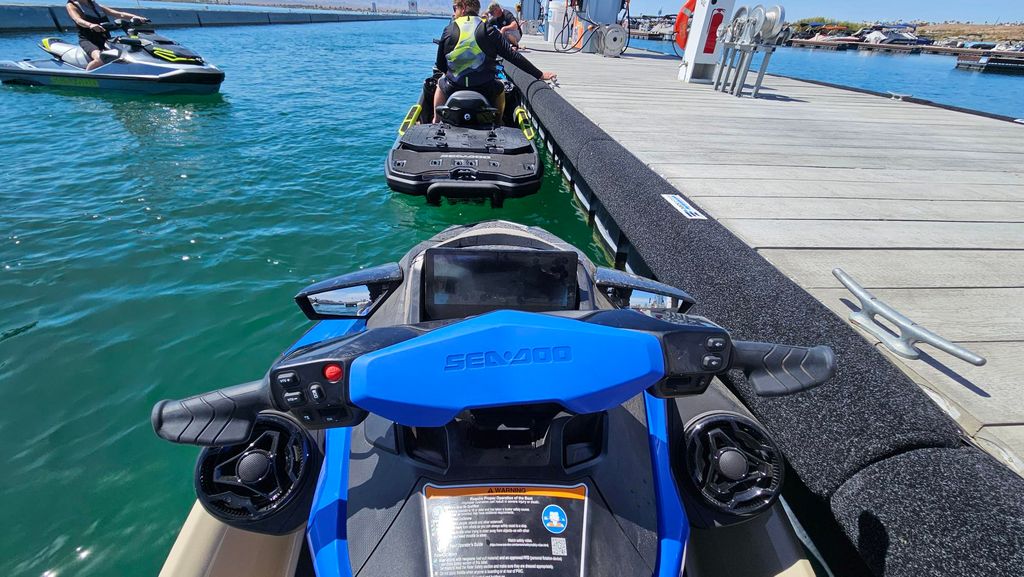
Other features on all current Sea-Doo models include cruise control, which is capable of going down to nice, slow speeds and staying there for No Wake Zones. The 2026 models also get a bright and responsive new 10.25-inch TFT dashboard, which might sound big on paper but is actually quite nice (and not at all oversized) to use in person.
With the bright Arizona sun beating down on us all day long, I can tell you from experience that I had zero problems reading the unit even once while I was operating it, and that I was also wearing polarized prescription sunglasses pretty much the entire time. Along with that massive dash comes the most recent update to BRP’s inter-product connectivity system, BRP Go!
Get Outside While You Can
Getting Out On The Water
As we untethered and gently guided our craft out of the docks and away, the first little while was spent navigating a very placid, almost dreamlike No Wake Zone. It was early enough in the morning that it wasn’t super hot yet, though it would be later in the day; but the sun was certainly on the rise, and we were all glad to have our UPF shirts, sunscreen, and plenty of water and snacks at the ready. Lake Havasu looms large in the minds of PWC folk for multiple reasons, but that strong, bright sun is certainly not something to be taken lightly.
Several points of interest were pre-loaded into our navigation units, so we could all navigate our way to them and grab photos and/or video at will. Or, you know, simply enjoy seeing them and living in the moment and chatting about them amongst the group, because that’s a major part of the fun of going on group rides with friends and acquaintances.
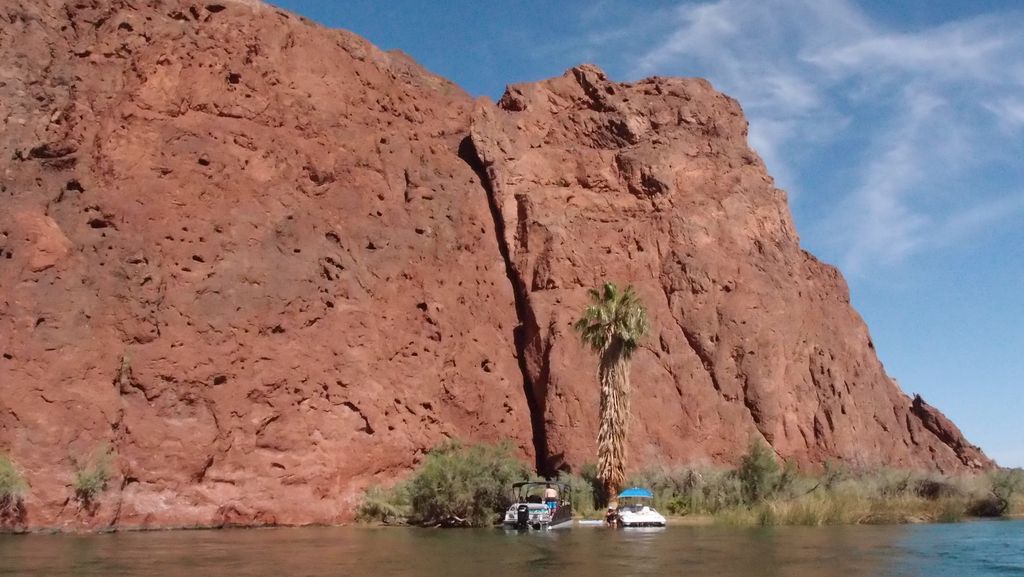
Over the course of the day, we visited several breathtaking places. Civil engineering enthusiasts may already be familiar with the Whitsett Pumping Plant, but if you’re not, it’s even cooler to see in person than it is in any videos or photos. We carefully and slowly wended our way through the Topock Gorge (mostly a no-wake zone, and for good reason), and saw the Topock Bridge, which is apparently also called the Old Trails Bridge.
And of course, we also had to visit the London Bridge. Yes, that London Bridge. Or, to be more specific, engineer John Rennie’s London Bridge, which was disassembled and shipped to Lake Havasu City in the 1970s, to be reassembled and reinforced as a local tourist attraction. On the way back, we even piloted our craft under the bridge on our route.
When I started moving at first, I was tentative until I began to understand and appreciate how the craft handled as I gave it throttle, or braked, or steered. Our tour leader was a guy called Adam, who moved to the area several years ago and now happily lives and explores (and does PWC trips and camping adventures with his dog) in the area on his ADV-modified Sea-Doo Explorer Pro, and there was one part in the journey where we did some lead-follow riding, and a figure eight around some rock formations in a little cove.
That’s when it all clicked for me, and my brain and my hands and the craft all worked in total harmony together for the first time, almost without thought. It was just a seamless, easy flow, from right to left and back again, sluicing through the water with the greatest of ease. Almost like magic, and I just found myself laughing and crying and marveling at how great it felt to have figured it out.
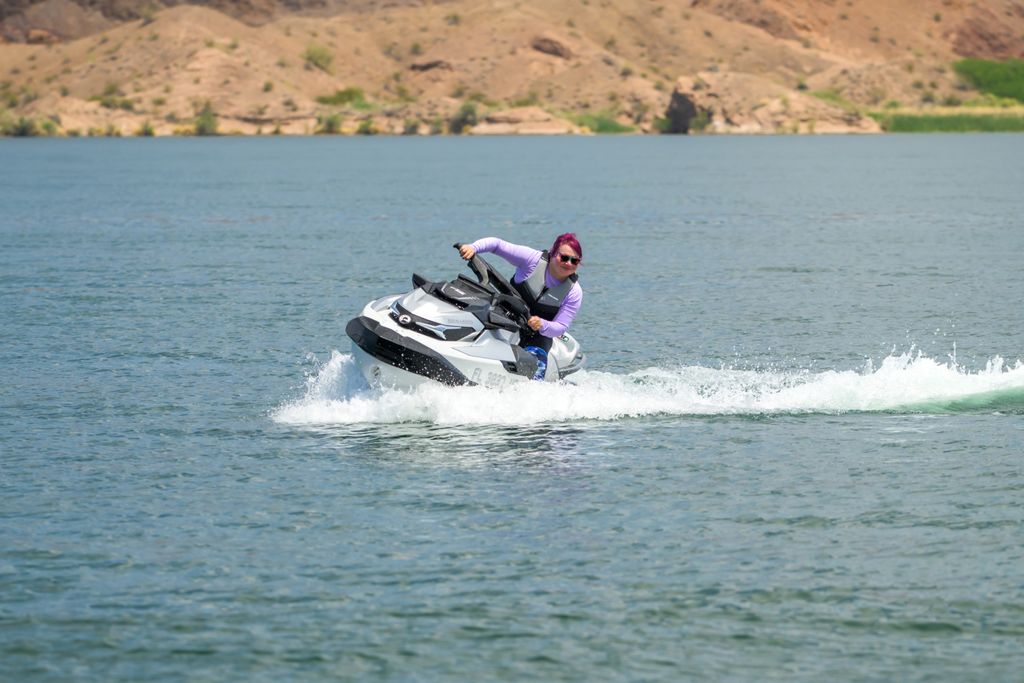
And the even better part was, we weren’t even halfway through the day. Which meant I had the entire rest of the day to really enjoy knowing that I’d cracked it, and appreciating just how much fun I could cram into the rest of the day.
At the beginning, I’d started out a bit tentatively and cautiously, because I respected the vehicle as well as the fact that this was my first time on a PWC. But after cracking that little handling puzzle, pouring on the throttle and seeing the truth of what you’re told when you go through safety courses about PWCs, which is that you need throttle to steer accurately (and cutting throttle will cut your ability to steer at all immediately), I was all in on having a great time. We had a former PWC racer and champion in our group, and she was rad, but you don’t have to be a racer to have a fantastic time out on the water.
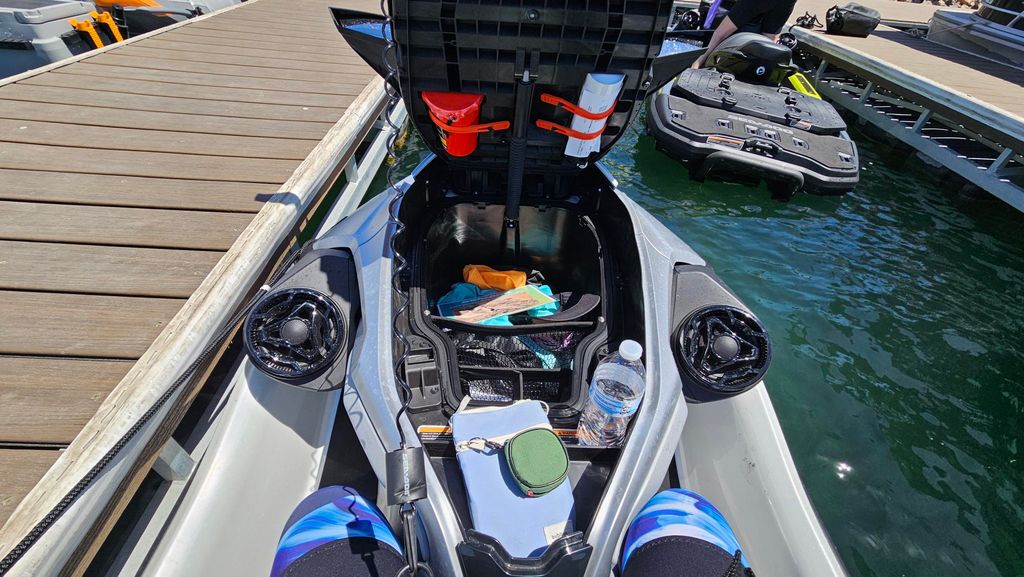
Over the day, I’d get to experience docking a few different times; first for lunch, then for fuel, and later to end the day back at home base. Lunchtime went pretty smoothly, and the key is just feathering the controls and having a light touch on the bars to make gradual movements as needed. Fueling up was a bit different, as we were all in a big line and there were dock bumpers to pull ourselves along by hand after we’d cut the engines as we each waited in line for our turns at the pump.
Just Like Motorcycles, It’s More Fun To Ride A Slow Craft Fast
Now, the Sea-Doo I was on in the morning, the GTX, is made to combine both speed and comfort. It’s not an all-out speed machine, but it’s plenty powerful and zippy, and built to handle well. As a beginner at PWCs, perhaps I wasn’t ready to appreciate everything it had to offer as my very first ride.
But in the afternoon, after lunch, I boarded a Sea-Doo Wake Pro instead. Smaller engine, slower craft, but still plenty of fun. And let me tell you, after scarfing down an extremely delicious seared ahi tuna sandwich for lunch, I was ready to go. By the end of the day, I’d be blasting through unlimited-speed areas with the throttle absolutely pinned. In case you’re wondering, the top indicated speed I reached was 64 mph; and yes, I was wishing I had earplugs for the wind noise, but was grinning my face off amidst the constant lake spray all the same.
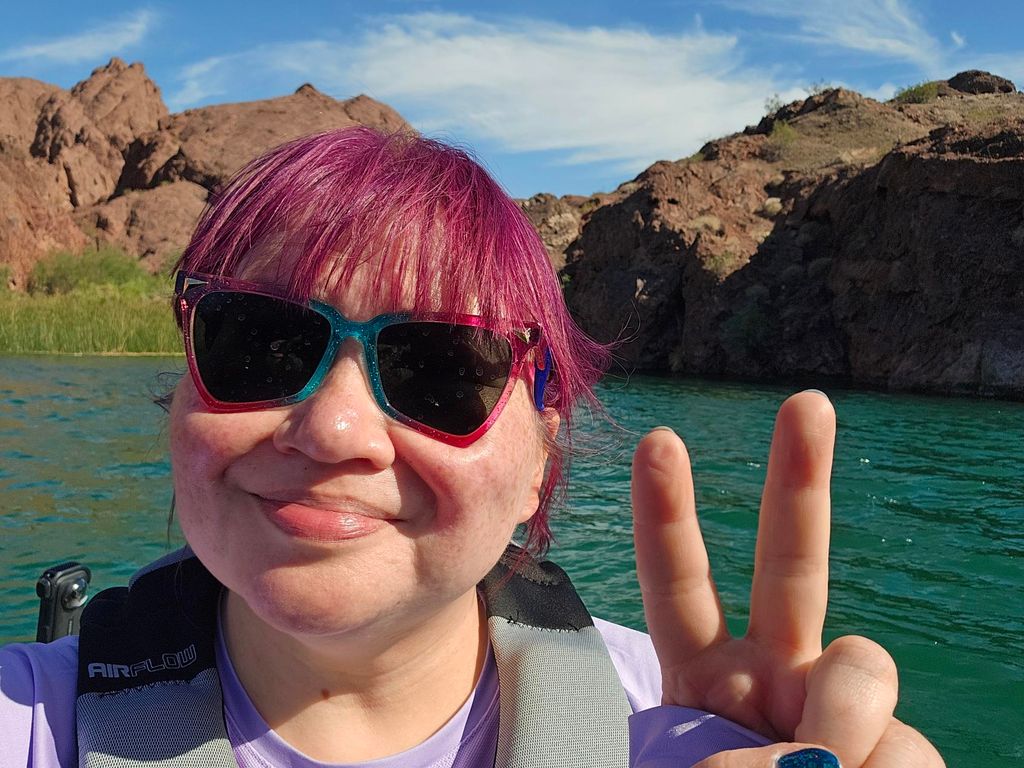
What changed between the morning and the afternoon, besides a seriously good sandwich and a change in watercraft? My overall confidence levels were part of it, of course. But there was another, bigger issue I needed to bring up, and it’s the BRP Go! App experience.
Now, to keep things organized, I'm going to dive into this experience more deeply in a separate piece, because it really deserves its own exploration. But at the same time, this trip wouldn't have gone the way that it did if I hadn't had this experience, so I do need to touch on it briefly here.
After hopping on the Wake Pro in the afternoon and transferring my dry bag and action camera to it, the group set off to refuel before heading out to explore more of the lake. By this point, it was early afternoon, and the weather had heated up considerably from the temperatures when we’d first gotten out on the water that morning.
After refueling, we headed down south, toward Topock Gorge. We all got to the Gorge just fine, but somewhere inside its stunningly beautiful walls, my navigation stopped working, and I would go on to find out later that I wasn’t the only one who lost it.
Still, since we were all together in a group, it wasn’t really that big a deal. Plus, the entire Gorge is basically a no-wake zone, so we were all going through at around 6 or 7 miles an hour, just gaping in awe at the place (at least, those of us who hadn’t been here before, like me).
We came out on the other side, the photo boat got some photos of us in action (including one of the Sea-Doo guys seriously bouncing around like a dolphin, which probably looks amazing in the photos), and then we learned that we were in a little bit of a time crunch to get back to our home dock before sunset.
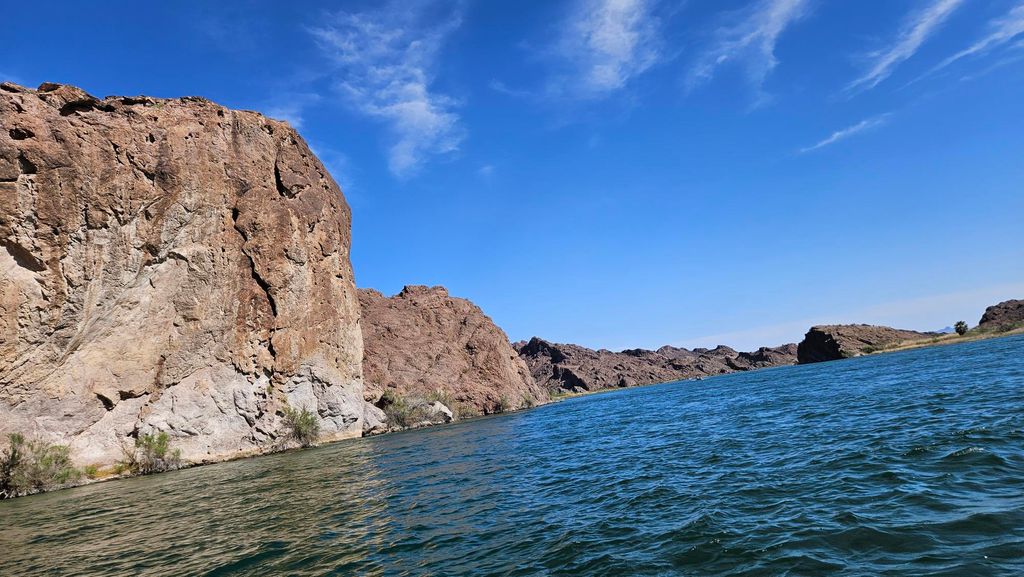
No problem, I thought; this should be easy, even if I was on what may have been the slowest of the fleet at that point. And it wasn’t! All of us did manage to get back on time, but not without a few of us having some challenges.
I’d noticed that my navigation wasn’t working (and not for the first time that day), so I tried to restart it by simply unplugging the phone, plugging it back in again, and waiting for it to do its handshake dance with the watercraft. But it wouldn’t.
Since going back to our home dock meant turning around and going back through the gorge (and its extended no-wake zone), I sighed, set my cruise control to about 7 mph, and took the opportunity to enjoy the wonders of nature all around me. The change in sunlight angles since I’d gone through the first time was also quite lovely.
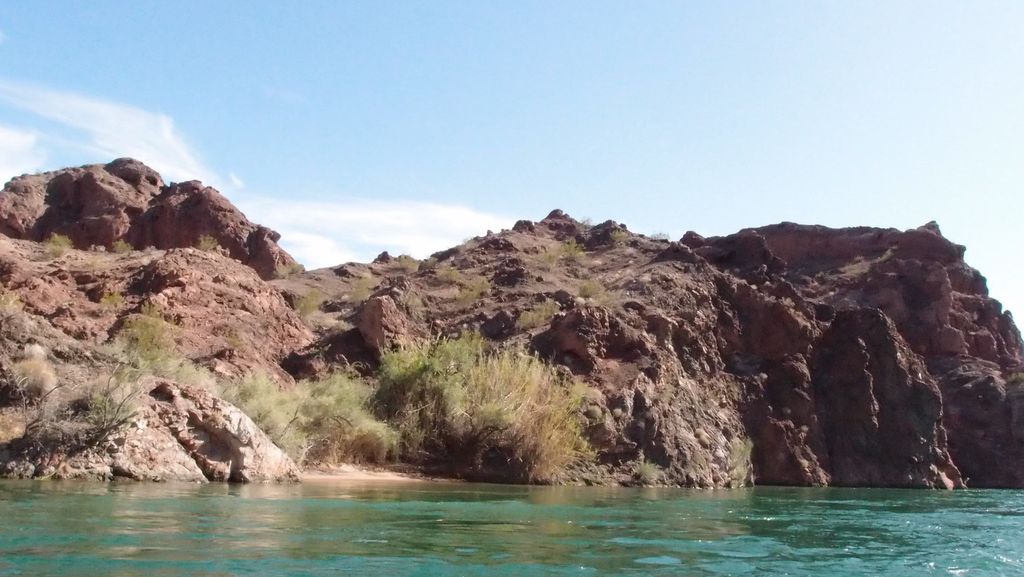
When I crossed the buoys that let me know I was out of the no-wake zone, I quickly ramped up speed. And when I saw someone else from my group just ahead, I knew what I had to do.
No navigation for me didn’t mean no navigation for anyone, right? “When in doubt, throttle out” isn’t only true on land! You’d best believe that I absolutely pinned that sucker from then on out; the glassy, smooth surface of the water on that day and at that time made it a no-brainer.
There’s really nothing like the anxiety of potentially getting lost to build a proverbial fire under your backside. Mind you, there was never any true danger of getting lost; after all, the friend-finder feature would still allow my group to find me if I had. But tell that to my fight-or-flight instinct!
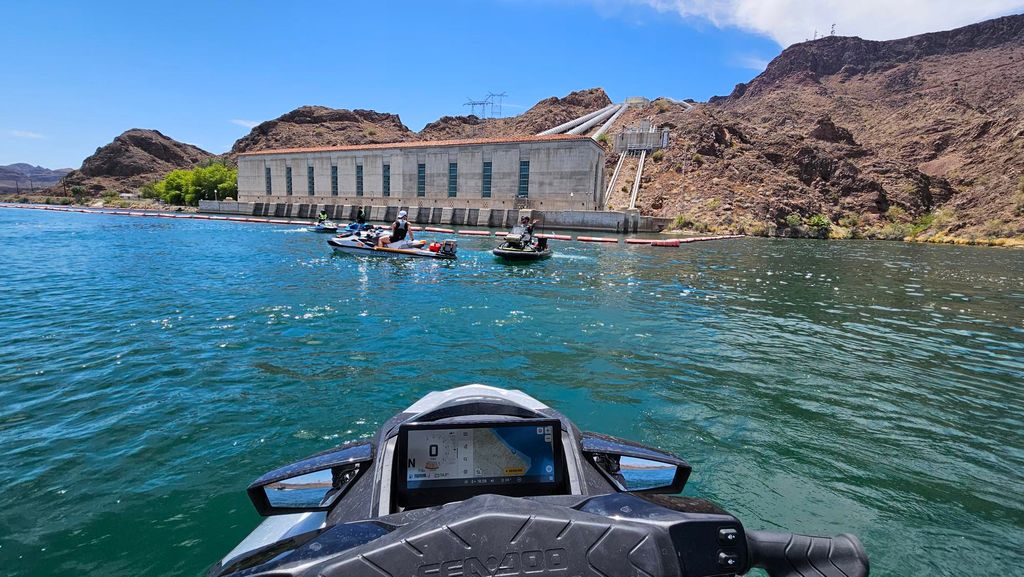
I may have been on a PWC, but I flew most of the way back, trying my best to catch up to the two members of my group I could see ahead of me. When I did finally catch up and we were able to all stop and chat, I found out that the aforementioned racer’s nav also wasn’t working. And together, we found that the other member of our group who we’d caught up to also had no nav. We were working out how best to make our way back next when the Sea-Doo tech person caught up to us, and I told him what had happened (and also that I wasn’t the only one it had happened to).
He calmly tried resetting and repairing the phone with the nav unit, and eventually coaxed it back to life. It helped that several members of our group were all together at this point, and also that we were only a couple of miles away from our intended dock.The ex-racer praised my speediness, which felt pretty nice. Turns out I just needed the right motivation!
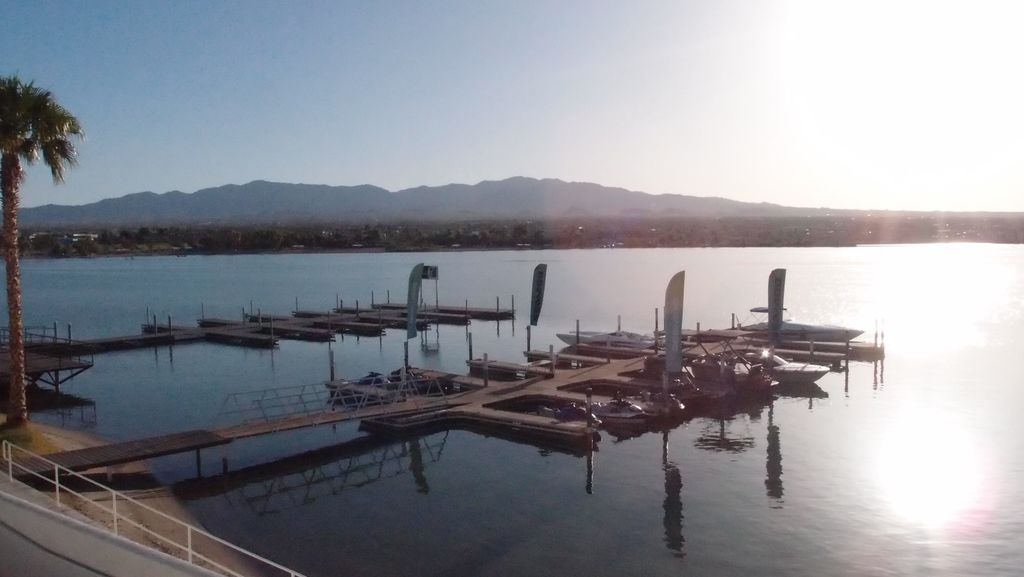
By the time we got back to the no-wake zone near the docks where we would disembark for the final time that day, I was tired, but pleased. Later, we heard that our guide had left the group to go help rescue a beached pontoon boat somewhere else in the lake. Apparently, they’d run out of fuel, so he was able to both tow them off of where they’d been beached, and also supply them with some fuel from the spare jugs he kept on his Explorer Pro.
It was the perfect story to end a pretty solid day. Did everything go totally according to plan? No, but it’s in those moments where things don’t go completely as expected that you find out who you (and those you’re traveling with) are.
And usually, that’s also where the best stories live. Here’s hoping that you can find the time and space to go out and try something you haven’t done (or someplace you haven’t gone) and have adventures of your own. Going out by yourself is fun, and I do that a lot.
But sometimes, it’s pretty cool with other people, too.

RECOMMENDED FOR YOU

BRP Is Donating $35k To Tread Lightly! To Better Trail Access and Conservation
Yamaha's TMAX Scooter Gets A Mansory 'Luxury' Makeover, And Winglets For Days
If You've Never Tried A Sea-Doo Before, Add It To Your Vacation List
Mining Claims Have Already Been Filed For Two Monuments Drastically Reduced By Trump Administration
If Your Snowmobiles and PWCs Get A Whole Lot More Expensive, Blame Trump's New Tariffs
Cars And Trucks Still Kill E-Bike Riders The Most, Says The Actual Data
BRP Said It's Getting Out of Boats. So What's Up With This New Pontoon Patent?