
Yamaha Has Made a Million R15 Sportbikes, They're Still Not Coming To the US
The R15 has proven to be a smash hit in the Asian market, though.


I love small-displacement motorcycles, particularly sportbikes. They may not make sense to a lot of people since the very essence of a sportbike is about going fast. But not small sportbikes. They’re fun, easy to ride, and look like miniature versions of their top-tier siblings.
And in countries like India, Thailand, and the Philippines, where motorcycles are ingrained into the daily lives of the masses, small sportbikes make even more sense. You see, big, powerful, and high-strung sportbikes aren’t just expensive, they’re impractical, too.
That’s why bikes like the Yamaha YZF-R1 are typically reserved for the elite, and bikes like the YZF-R15 are loved by the masses. These small sportbikes bring the thrill and aesthetic of a superbike to the masses, without breaking the bank or being overkill for daily commuting.

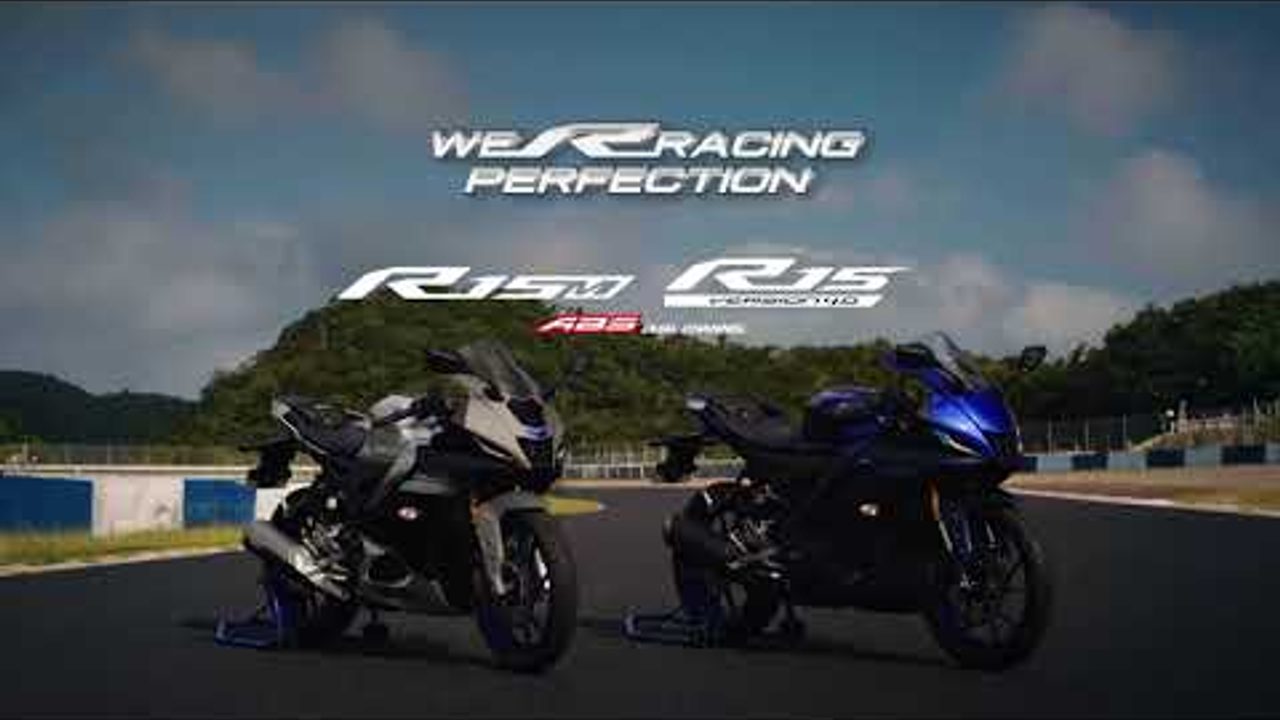
Personally, the Yamaha R15 has always been my favorite baby sportbike. It nails the styling of its bigger siblings to a tee and looks very much at home sitting next to the YZF-R6, R7, and R1. This is especially true in its current iteration wherein Yamaha really blended its styling to match that of its siblings.
Over in India, the R15 is a smash hit. In fact, it’s one of Yamaha’s most popular motorcycles as evidenced by Team Blue’s most recent milestone. More than one million R15 motorcycles have been produced at Yamaha’s Surajpur factory since it first launched in 2008—quite an impressive feat, and one that speaks volumes about just how popular this bike is.
So, what makes the R15 so special anyway? Well, for starters, it was built as a through-and-through sportbike, complete with Yamaha’s deltabox frame. Over the years, the bike was refined and given features usually reserved for bigger, more expensive bikes. The current YZF-R15M is a perfect example of this. It’s rocking Yamaha’s tried and tested 155cc liquid-cooled thumper complete with Variable Valve Actuation (VVA). It gets an inverted front fork, the previously mentioned deltabox frame, and even a quickshifter—something that was previously unheard of in its segment.
Small Bikes Rule
But beyond just being a cool and affordable sportbike, the R15 is actually a practical machine. It’s a common sight on roads across Asia, proving that it’s a capable commuter, and a sporty toy for weekend rides through the twisties. It’s also a popular choice among grassroots trackday aficionados; a solid platform for honing your skills before jumping onto a bigger, more powerful machine.
And so here’s the question: could a bike like the R15 possibly have a place on US roads, or maybe even race tracks? Would you consider rocking one as a daily commuter, canyon carver, or even as a learner track toy? It could be a fun and potentially safer way to hit the canyons, too, given its limited power.
Personally, I’d love to see more riders appreciate what small-displacement sportbikes like the R15 have to offer.

Source: AutoCar Pro
RECOMMENDED FOR YOU

It Looks Like The US Is Getting Yamaha's Sweet Retro Naked Beginner Next Year
Bimota Fans Can Finally Buy The Iconic Italian Dream Machines on American Soil
Yamaha Built A MotoGP-Inspired Scooter And I’m Not Sure Who Asked For This
It Took Norton 100 Prototypes To Get Its New Manx R Superbike Right
Yamaha Is Doing Better Because Of Its Motorcycles
India’s EV Motorcycle Startup Is Already Selling More Bikes Than Harley-Davidson's LiveWire
Yamaha Will Finally Bring Its Coolest Motorcycle Stateside