
BMW And PG&E Partner On EV Charging Program To Stabilize Grid
Giving back in times of need.

In 2018, investigators determined that Pacific Gas & Electric’s (PG&E) downed transmission lines were responsible for starting the deadly Camp Fire. As a result, the California utility provider initiated preemptive power outages to prevent another wildfire. With California’s extensive fire season spanning May through October, forced blackouts may become a regular occurrence in the Golden State.
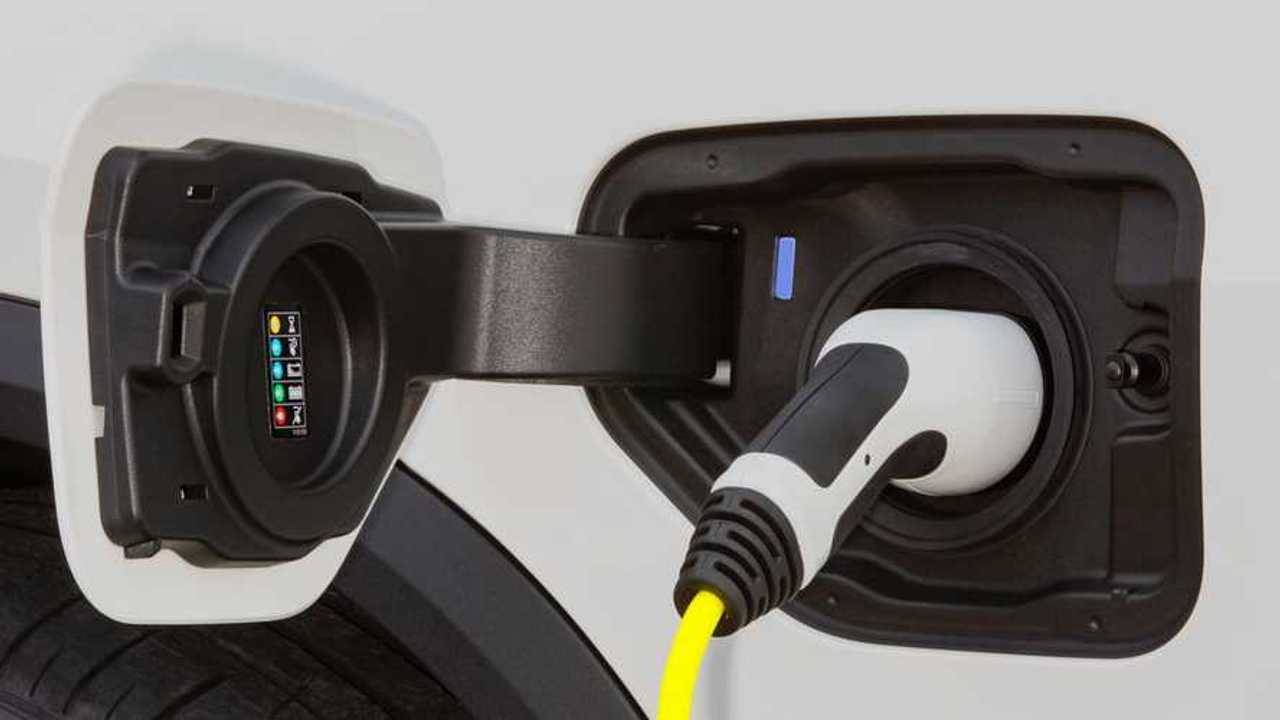
To help alleviate the customer woes and stress on the grid, PG&E is partnering with BMW to test electric vehicles as a potential solution. Featuring bi-directional charging, newer electric vehicle models not only pull from the grid but also act as a ‘virtual power plant’ in times of need. Based in San Francisco, PG&E is located in the prime location for testing such capabilities. The city is already home to 320,000 electric vehicles (20 percent of all U.S. electrics), and the state is expected to contain 5 million EVs by 2030.
Since 2015, BMW and PG&E have conducted a ‘smart-charging’ program that asks electric vehicle owners to plug in during windows of least demand. This stabilizes the grid and accesses energy during times when renewable sources are most available. Now, the pair will expand the program to PG&E customers that drive hybrid or electric BMW cars.
In turn, the 24-month ‘smart-charging’ pilot will offer customers incentives for charging during recommended hours. The two partners will also benefit from the arrangement. PG&E can use the battery data and BMW needs to understand the toll of bi-directional charging.
“The amount of energy storage you have driving on four wheels is much more than any electric utility will ever build and put on the grid,” explained University of California, Berkeley materials science and engineering professor Gerbrand Ceder. “So it now starts to make sense that you use this as a resource to stabilize the grid.”
It’s worth noting that the study is aimed at electric vehicles providing energy before or during a natural disaster. However, utilities could call upon virtual power plants during peak periods, as a decentralized power source is less likely to fail. Of course, electric motorcycles aren’t part of PG&E and BMW’s tests but equipped with bi-directional charging, there’s a possibility that future models could help with the cause as well.
While the prospects sound promising, especially for the communities that lost power this past fire season, many questions arise. If your vehicle is currently feeding the grid, is it unavailable for your personal use? Will the utility companies inform users when they’re supplying power back to the grid and reimburse them for the energy?
Though a host of questions and legal ramifications come to mind, we should also recognize that most EVs spend more time charging than on the road. If there’s a way to harness that power in a responsible and resourceful way, BMW and PG&E may be on to something.
Novel Ideas:
Sources: The Verge, Energy Central
RECOMMENDED FOR YOU

This V8 Racecar Made to Dominate Pikes Peak Uses Welded Together Superbike Motors, and One Big Turbo
ZXMoto Just Dropped the Production Specs of Its WorldSBK-Winning Bike. Absolutely Insane for the Money
Demand For BMW's New Small Off-Road Motorcycle In India Is So Crazy, They Stopped Orders
The UK's Fastest Motorcycle Speeding Ticket Ever Isn't All That Fast
This Is What Happens When Indonesia Gets Serious About Electric Motorcycles
Vespa Once Made a Go-Fast Scooter Shaped Like a WWII Bomb
This City Just Banned New Combustion Two-Wheeler Registrations by 2028. Not Without Criticism