
Now you can intervene in environmental disputes over federal land
“This result will forever enhance the ability of riders to protect their access to public lands,” says the Motorcycle Industry Council’s Paul Vitrano of a court decision that will allow rider’s groups and other entities to intervene in cases of environmental disputes over federal land use. Previously, all non-Federal entities were prohibited from intervening in any cases involving the Nati...
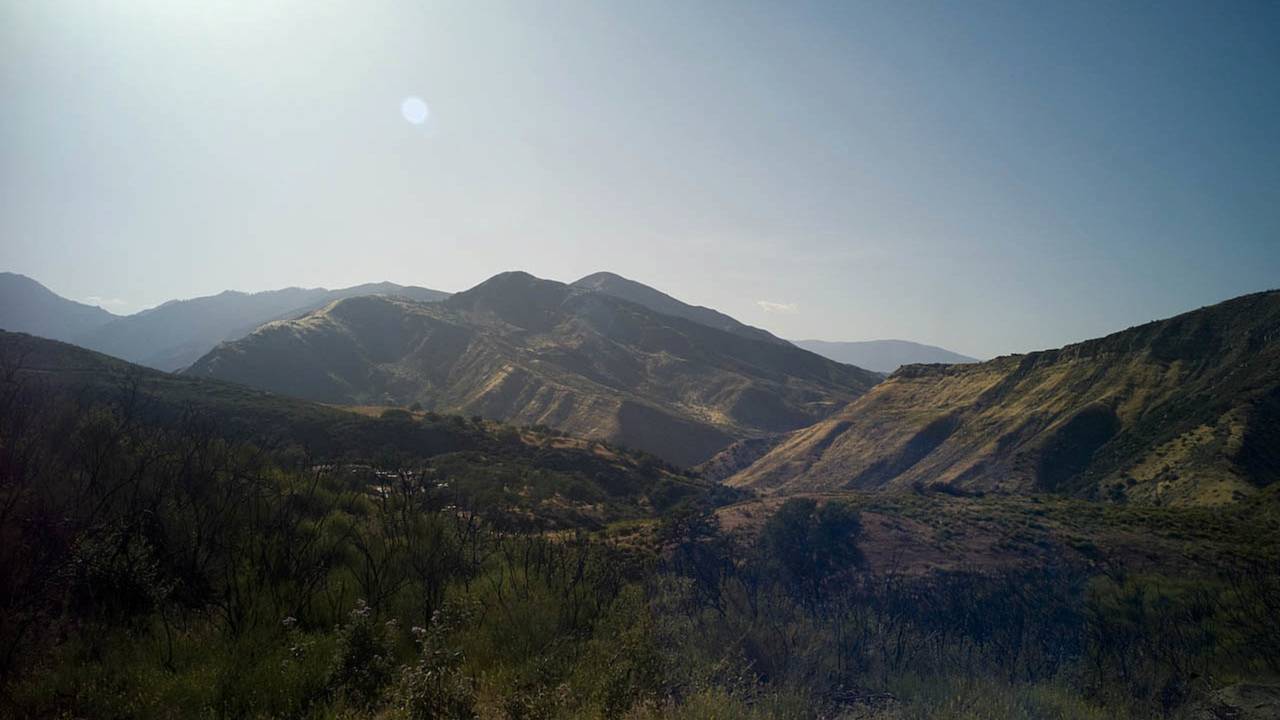

“This result will forever enhance the ability of riders to protect their access to public lands,” says the Motorcycle Industry Council’s Paul Vitrano of a court decision that will allow rider’s groups and other entities to intervene in cases of environmental disputes over federal land use. Previously, all non-Federal entities were prohibited from intervening in any cases involving the National Environmental Protection Act in western states. Basically, if OHV access to federal land was threatened, the people using their vehicles off-highway couldn’t do anything about it. Now they can.
Photo: Grant Ray
The MIC and the Specialty Vehicle Institute of America led an argument that led to the US Ninth Circuit Court of Appeals overturning the “Federal Defendant” rule which prohibited anyone other than the federal government from having a say in the main legal mechanism for disputing government action that could threaten the environment. If an organization like a logging company, tribal organization or environmentalists challenges OHV access to federal land in the future, the riders who use that land will be able to contest that challenge in court.
It’s somewhat wordy and confusing to describe all this, but its an important ruling that will dramatically impact our ability to protect existing riding areas in the west. Access to riding areas on federal land suffers from several angles, including the federal government’s limited tool chest for protecting land from mining, logging and other commercial interests that frequently limits or removes access inadvertently in the process of preventing exploitation. Noise complaints, erosion caused by OHVs and our own bad behavior also play a role. Now, thanks to the MIC and SVIA, we can at least have a say in the court cases that define where we’re able to ride.
Here's the ruling. (PDF)
via MIC
RECOMMENDED FOR YOU

Kawasaki Wants a Robot Human To Go With Its Robot Horse
This Electric Motorcycle Was Almost Vaporware. Now It Wants To Conquer America
Moto Guzzi’s 105th Birthday Present Is Basically A Fancy Paint Job
Not Everyone's Happy About King of the Hammers' New Proposed OHV Trail
A Semi Truck Driver Was Just Charged With Killing A Motorcyclist With His Truck, Then Fleeing The Scene
This Giant Scooter Proves Why You Shouldn't Give Up On Your Projects
Royal Enfield Wants To Prove You Don’t Need A Giant Bike To Tour America